Marine environmental services
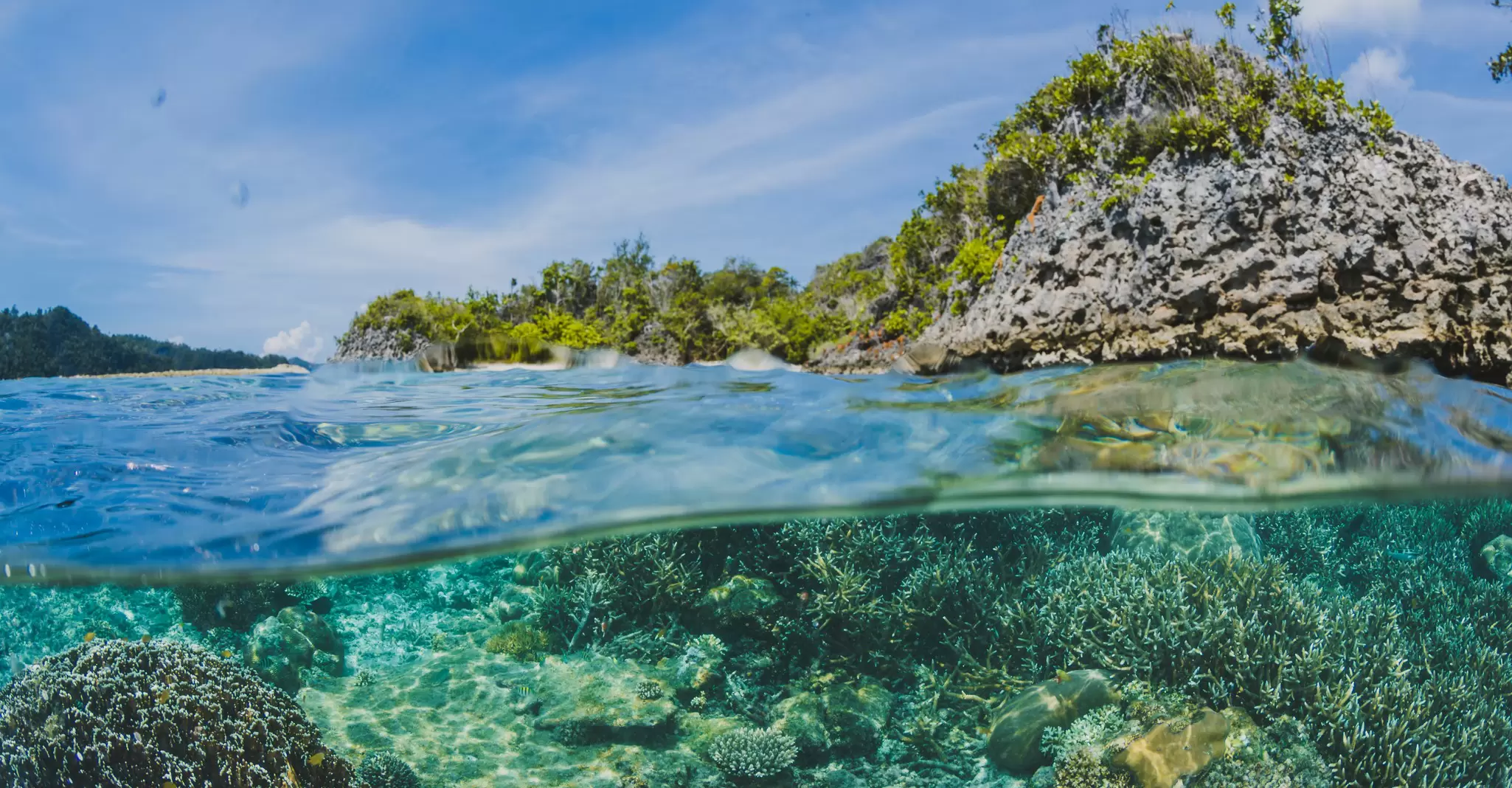
When you’re planning, installing, or operating a development at sea, it is essential to understand the natural environment and how your development interacts with it.
Our marine environmental services provide comprehensive support to ensure that developments not only meet regulatory requirements but also deliver positive outcomes for marine ecosystems.
We combine our expertise in marine ecology and engineering to help you map marine habitats and species, model how your proposed development may interact with them, and monitor what happens.
Andy Addleton
Global Lead Marine Environmental Services
Beyond compliance
Healthy oceans are essential for life on Earth, but they have been degraded over the centuries. We recognise that there is both a pressing need to restore the marine environment and support the energy transition.
This is why our environmental services for marine infrastructure are underpinned by efforts to reduce our own environmental impact and accelerate positive impact. We work at every level, from project-specific and nature restoration services to supporting international policy and directives at the Intergovernmental Oceanographic Commission and the Ocean Decade global initiative. Creating the science we need for the oceans we want.
Our approach is described in our Marine Biodiversity Solution Brochure:
More information
Supporting every phase of Environmental Impact Assessments
Environmental Impact Assessment (EIA) process is essential for understanding the likely significant environmental effects of your development and how it may interact with the natural environment around it. EIA regulations require a form of EIA for marine permits or consents globally. These all follow a similar process, and we can support you at every step.
Our Geo-consulting team can map existing data and combine it with Earth observation data. Providing early insights to support your environmental consents team in applying relevant EIA regulations, understanding environmental factors, and scoping which aspects require further assessment. Technical modelling of physical oceanography and detailed survey data directly support your environmental impact assessments. Monitoring of underwater noise, seabed change, marine species, and pollutants can then demonstrate your compliance.
Core services include:
Site selection, feasibility studies and desktop studies
Environmental impact assessments
Strategic environmental assessments
Environmental consenting
Oil spill contingency plans
Environmental protection: Integrated habitat and species mapping
Healthy oceans begin with a healthy seabed. We combine geophysical surveys, benthic ecology, marine acoustics, and environmental DNA (eDNA) to yield rich insights into the complexity of marine habitats and the species that live there. Core services include:
Environmental baseline surveys (EBS)
Environmental monitoring surveys (EMoS)
Biodiversity monitoring
Biotope mapping and habitat assessments
Marine mammal observations and passive acoustic monitoring (PAM) mitigation
Fish surveys and fish spawning ground surveys
Ambient noise monitoring
Marine mammal noise detection and soundscape analysis
Construction monitoring
Sediment, biota and water quality chemistry analysis
eDNA sampling and analysis
Marine taxonomic analysis
Microbiology analysis
Oil spill forensic services
Sensitive habitats and species
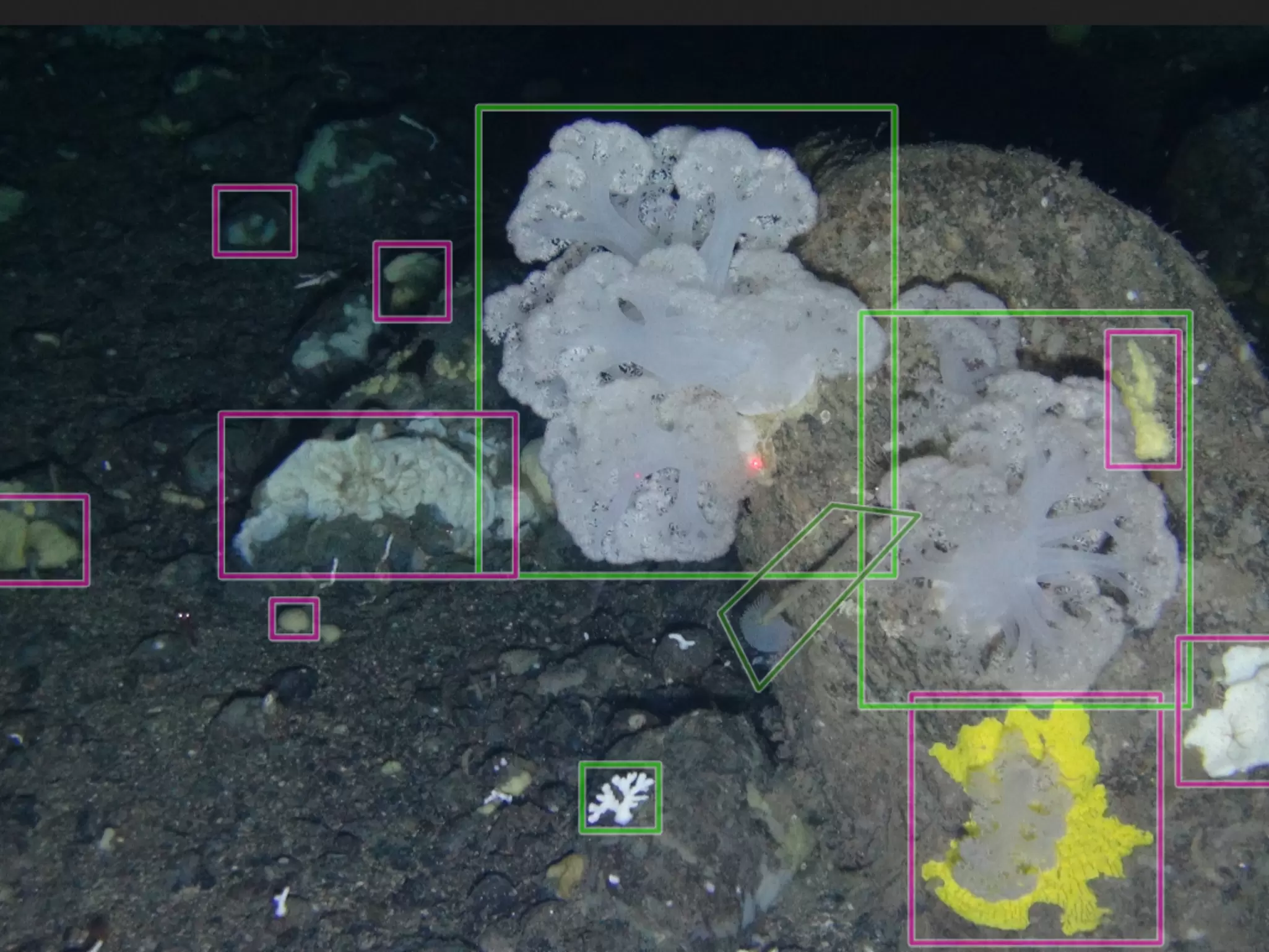
We have provided habitat mapping services for over 25 years. Whether from a crewed or uncrewed vessel, mapping seabed habitats starts with hydrographic mapping. From this, our benthic ecologists highlight critical habitats before taking physical samples and video surveys. Seabed samples are analysed in our benthic ecology labs, eDNA samples are processed for species genetics, video analysis by our competent experts is augmented with machine learning, and everything is brought together to give you critical environmental information on the marine ecosystems you’re responsible for.
Marine Mammals
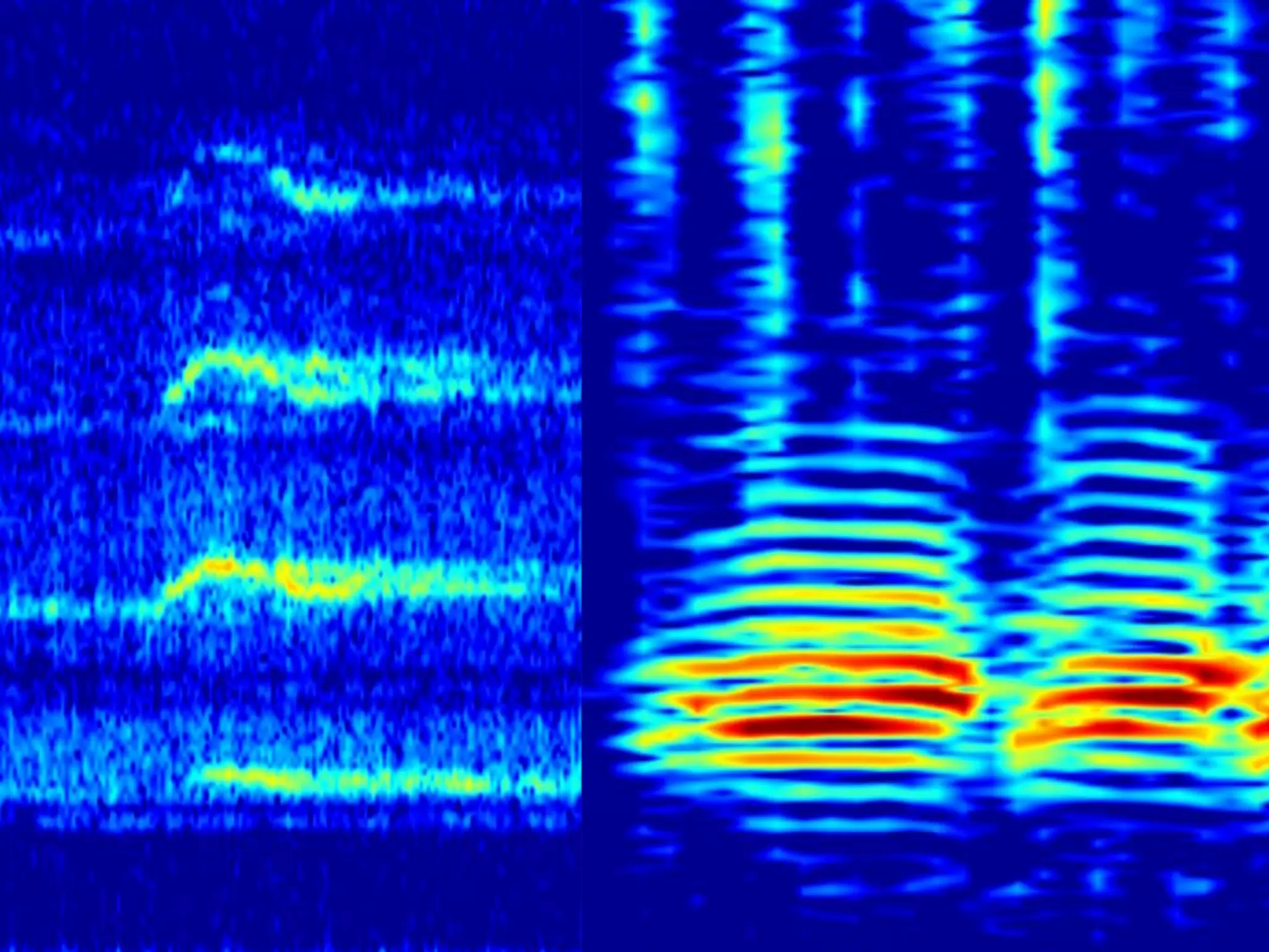
In collaboration with leading marine institutions, we have developed a machine-learning-augmented acoustic analysis process capable of identifying the most common marine mammals worldwide. Combined with our metocean capabilities, we can deploy PAM devices to shallow and deep waters. Providing reliable operations and fast analysis to understand the marine mammals living near your site.
In addition, we provide marine mammal observations, either as part of wider biodiversity monitoring programs or as part of mitigation measures, and we can monitor fish communities using bio-acoustics and eDNA.
Coastal habitats
Combining remote Earth observation, with aerial surveys, hydrography, and seabed imagery we provide coastal habitat mapping at a scale that has never been seen before. This is why ISPRA trusted us to deliver seagrass mapping along the entire coast of Italy.
Sediment and Water Quality Characterisation
Our physical oceanographers have been providing detailed modelling for over 30 years based on public and/or site-specific data. This supports offshore engineering design and further environmental impact assessments. Accurate sediment and water quality data is required to validate models.
Combining relevant expertise in physical oceanography with sedimentology allows us to model how natural processes and development proposals may impact natural environments.
Underwater Noise
Understanding this potential impact requires a combination of geological expertise, pile drivability, hammer energy estimates, and noise propagation modelling. Our Geo-consultancy combines all of this to provide a more detailed understanding of the environmental impact of your operations on the marine environment.
Environmental monitoring & compliance
Monitoring the construction and operations of your marine assets is essential for responsible companies and regulatory compliance.
Pre and post-construction benthic monitoring
By combining geophysical data, physical sampling, and video acquisition, we can provide detailed information about marine habitats prior to construction, optimising your delivery schedule. During operations, we can provide ongoing services, integrated with engineering asset inspections, to help your team and regulatory stakeholders understand how the marine environment is responding to your asset's presence. Supporting both ongoing stakeholder relationships and end-of-life decisions.
Underwater noise monitoring
We can provide early insights into actual noise propagation by deploying passive acoustic monitoring stations prior to construction. Using pre-construction geophysical surveys as a sound source, we refine early stage estimates of noise propagation to deliver greater certainty to your teams. Long-term marine mammal monitoring can provide insights into how mammals use the area, to avoid potential impacts.
Sediment contamination
Accidents do happen but sometimes they’re not your accidents. Our geo-chemical laboratories can analyse trace elements of sediment contaminants and forensically compare them to chemicals used in your operations. Providing your team and regulatory stakeholders information about where contaminants originated.
Case study
ISPRA Seagrass Mapping
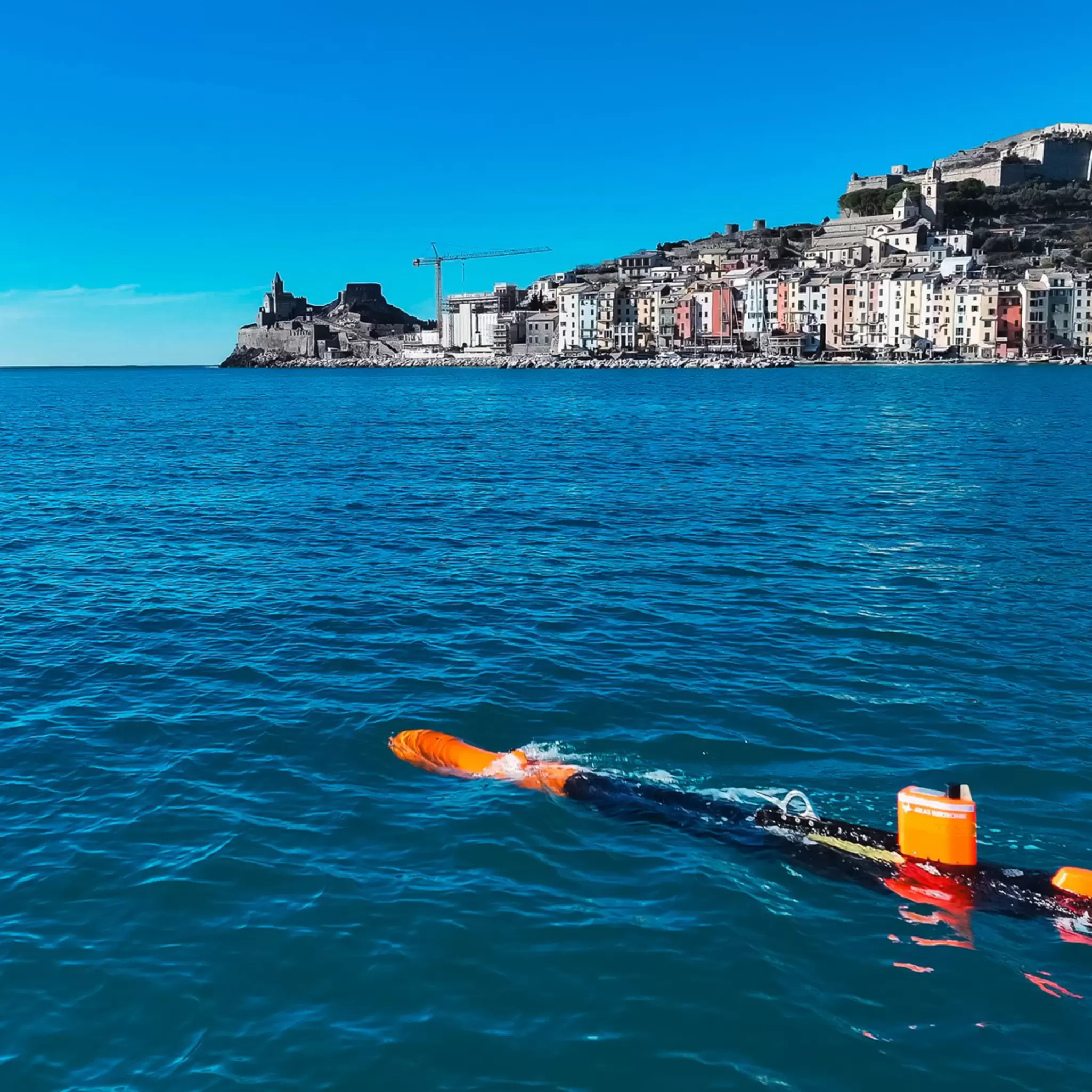
Fugro are mapping the coastal habitats of the Italian coast as part of their government’s Marine Ecosystem Restoration (MER) project, a groundbreaking initiative under the National Recovery and Resilience Plan.
Case study
Remote Offshore Inspections
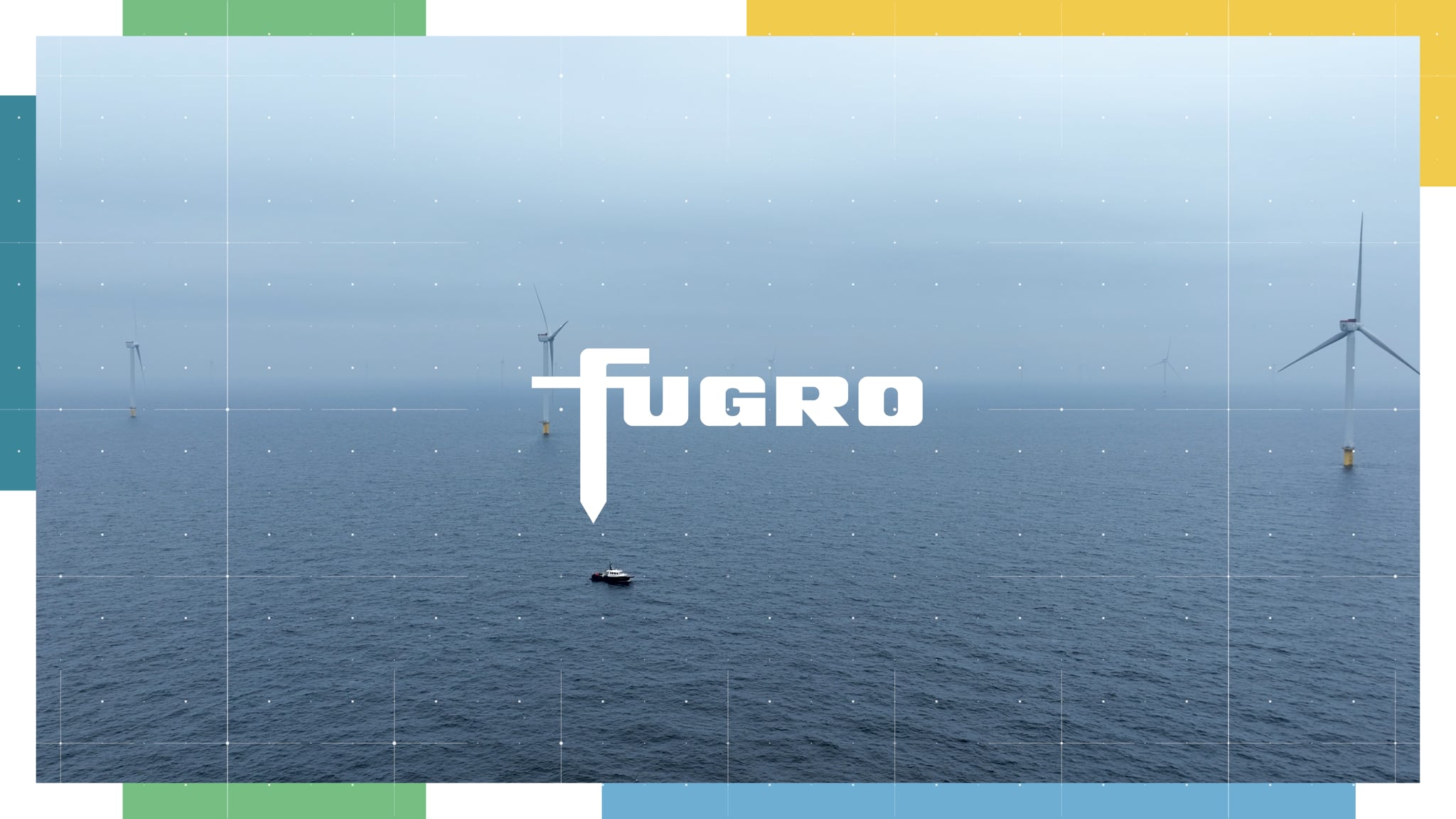
Maintaining the efficiency for a large-scale offshore wind farm demands constant attention. Fugro completed a remote inspection at the world’s first subsidy-free offshore wind farm, using our Blue Essence® uncrewed surface vessel (USV).
1 / 2
Benefits
Integrated end-to-end capability
Work with one team of competent experts to streamline regulatory submissions, maintain consistent data standards, and provide a single interface for development management.
Cost & time efficient
Integrating marine environmental services with other site characterisation or operational services optimises vessel time. Helping you hit milestones and stay in budget.
Richer insights
Our integrated marine ecology and geosciences data, provide richer insights into how marine ecosystems function and how your operations may affect them.
Risk reduction across the development life cycle
Combining environmental modelling, baseline surveys, and post-consent monitoring, helps you to optimise designs, avoid impacts, reduce delays, and lower environmental risk.
BeWild Consortium Project
BeWild is a consortium project led by Fugro and subsidised by the Dutch Enterprise Agency, in partnership with CrossWind, The Rich North Sea, Wageningen University, Mecal, and Seekable.
We are developing the world’s first fully remote ecology marine infrastructure monitoring service by combining our market-leading capabilities in remote operations with marine environmental services. Using eDNA, computer vision, and machine learning, we aim to provide consistent information on marine ecology across the project life cycle. At the same time as the annual asset inspections for marine insurance and asset warranties.
Long Reads
Podcasts
Planet Beyond - Episode 44:
Biodiversity and policy setting in offshore windPlanet Beyond - Episode 46:
Best practice for offshore wind farm biodiversityPlanet Beyond - Episode 47:
Innovation in offshore wind biodiversityEngineering Matters - Episode 241
Wind, waves and wildlife: navigating biodiversity in offshore windEngineering Matters - Episode 322:
Engineering ecosystems: Italy’s seagrass meadows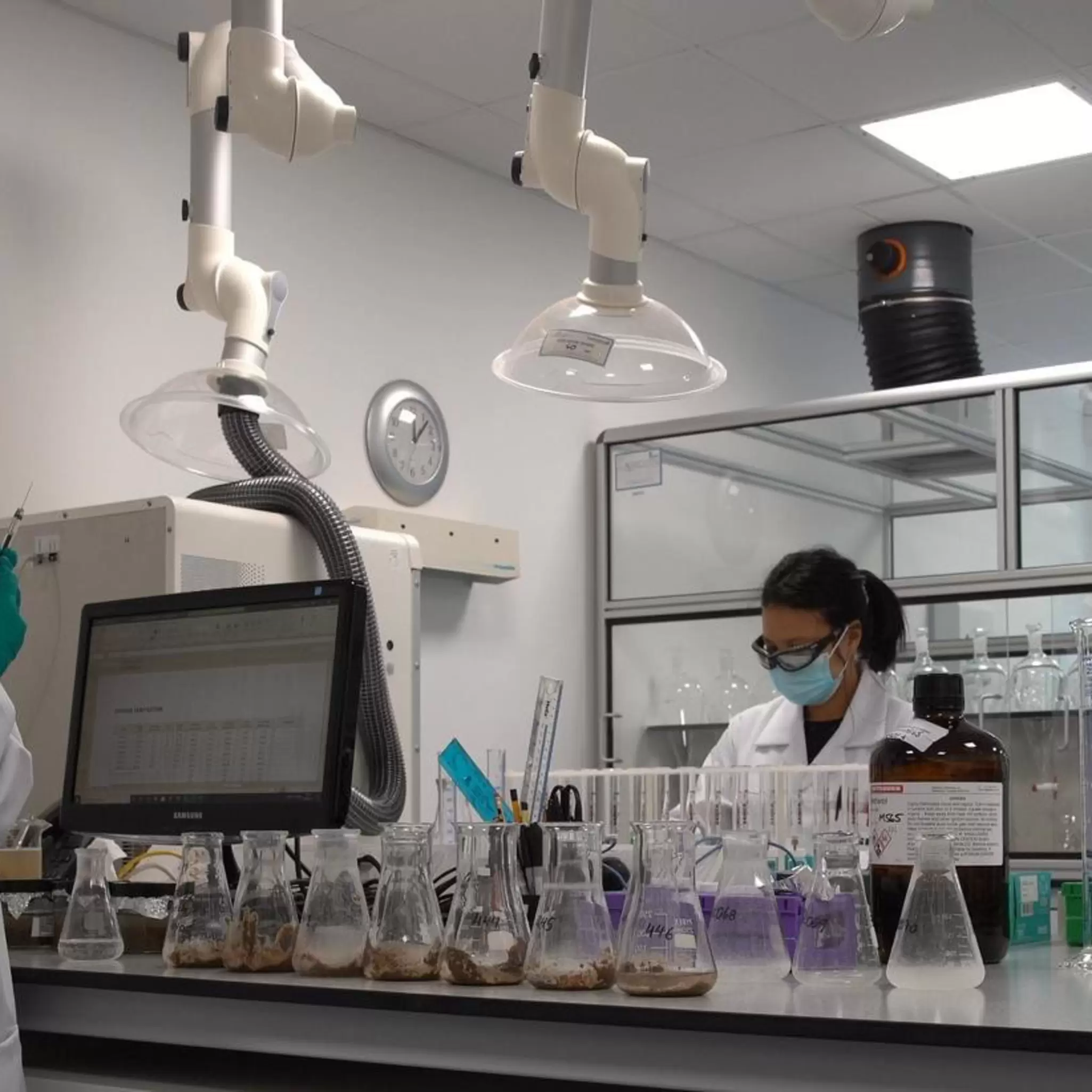
Environmental site assessments and remediation
Together, we will work to protect our endangered ecosystems and help pave the way for a more sustainable future.