Engineering Matters Podcast
The forgotten arsenal of the ocean: Clearing dumped munitions
Published
07 Jul 2026
Image ©
Lukas Schröder
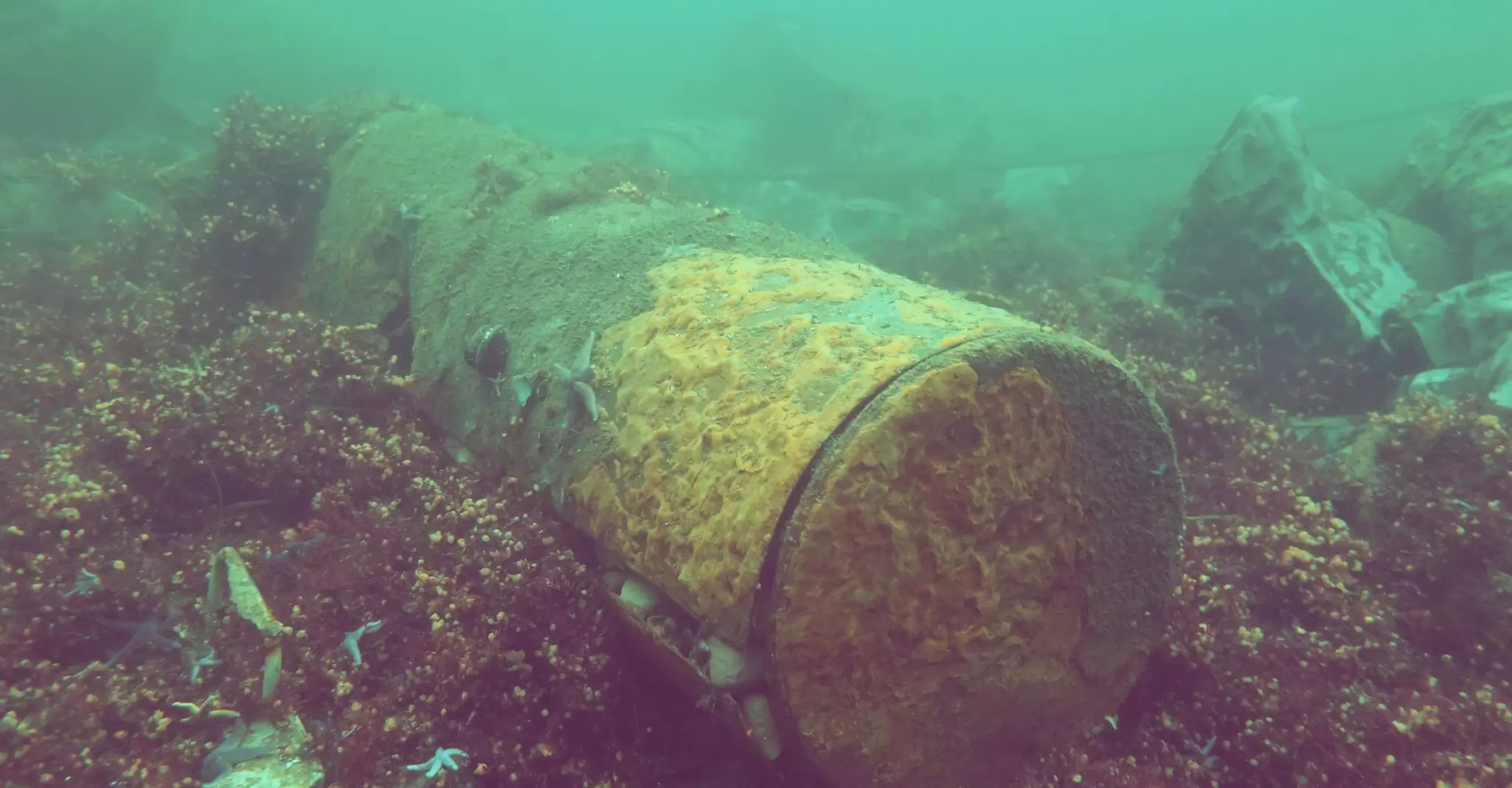
At the end of the Second World War, millions of tonnes of unwanted explosives and weapons were disposed of at sea. For decades, these dumped munitions lay hidden beneath the waves as time and tide passed over them.
Now 80 years past that mass-dumping, corrosion has begun to expose the explosive chemicals inside these weapons casings. Lead, mercury and TNT breakdown products have begun to be detected in fish stocks throughout the affected waters. At the same time, the growth of offshore infrastructure such as wind farms is increasing the need to understand and manage hazards on the seabed.
But dumped munitions are not the same problem as unexploded ordnance (UXO). Instead of finding isolated dangerous objects, engineers face vast areas containing thousands of items, requiring new approaches to detection, removal, containment and disposal. This is a question of new technologies, new approaches, and still yet, convincing people of the scale of the problem.
Guests
Torsten Frey, Post-doctoral Researcher, Geomar Helmholtz Centre for Ocean Research, Kiel
Peter Nieuwveld, Solution Owner UXO Risk Mitigation, Fugro
Jennifer Yun, New Business Manager, Fugro
Resources
Sign up for the CAMMera & MMinE-SwEEPER Newsletter.
Visit JPI Oceans Knowledge Portal for Munitions in the Sea.
Check out Munitions in the Sea Projects booklet.
Check out UNOC 2025 Munitions in the Sea Factsheets.
Listen to the Engineering Matters episode on UXO mitigation.
Partner
This episode was produced by Engineering Matters.
UXO risk mitigation
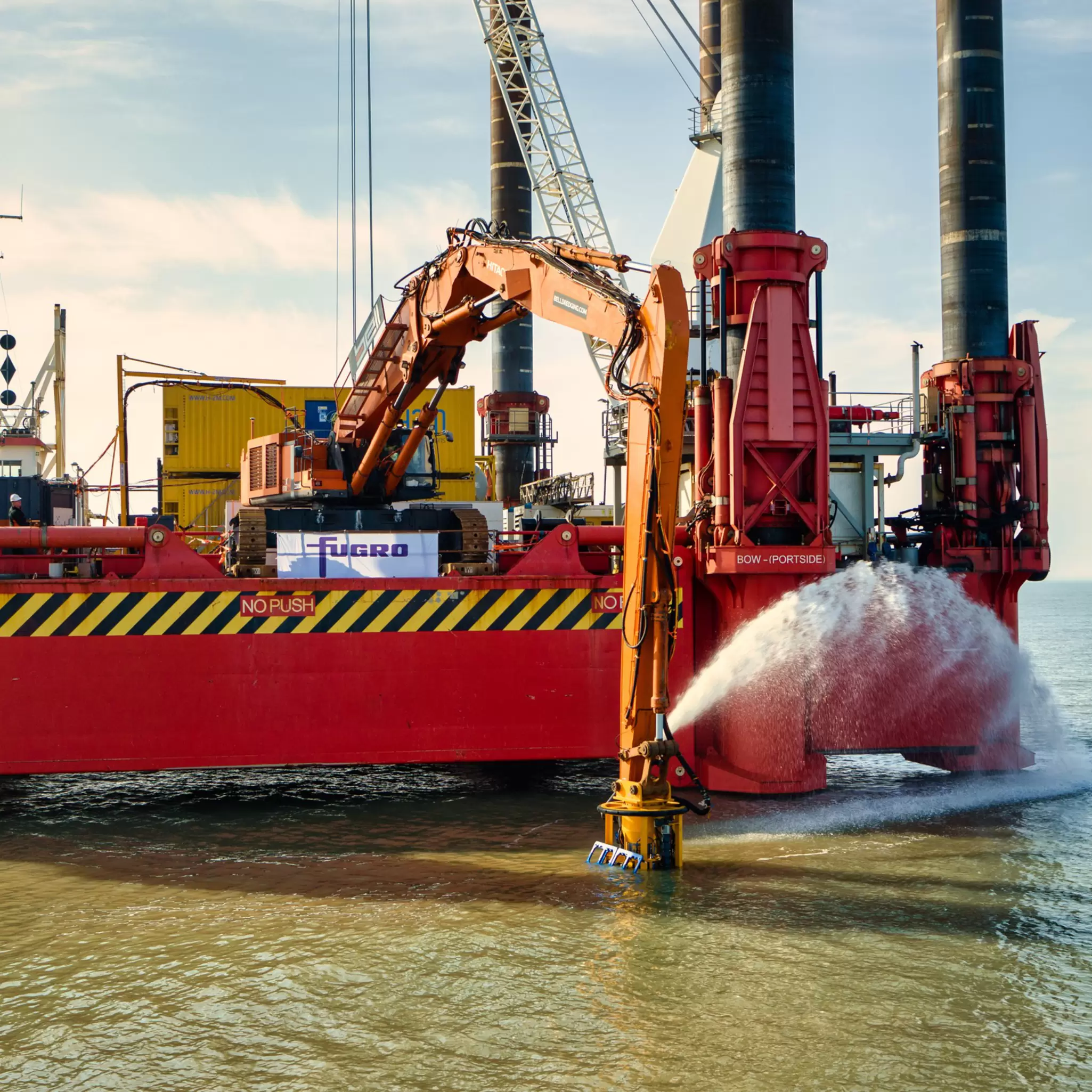
Onshore project? Working at sea? Partner with Fugro to unlock the secrets of the land or marine environment and get a clear picture of potential hazards. Our unexploded ordnance (UXO) risk mitigation services give you a complete understanding of any hazards at your project site. That way, you’ll minimise risks, avoid unforeseen situations, and overcome any challenges.