Land site assessment and remediation services
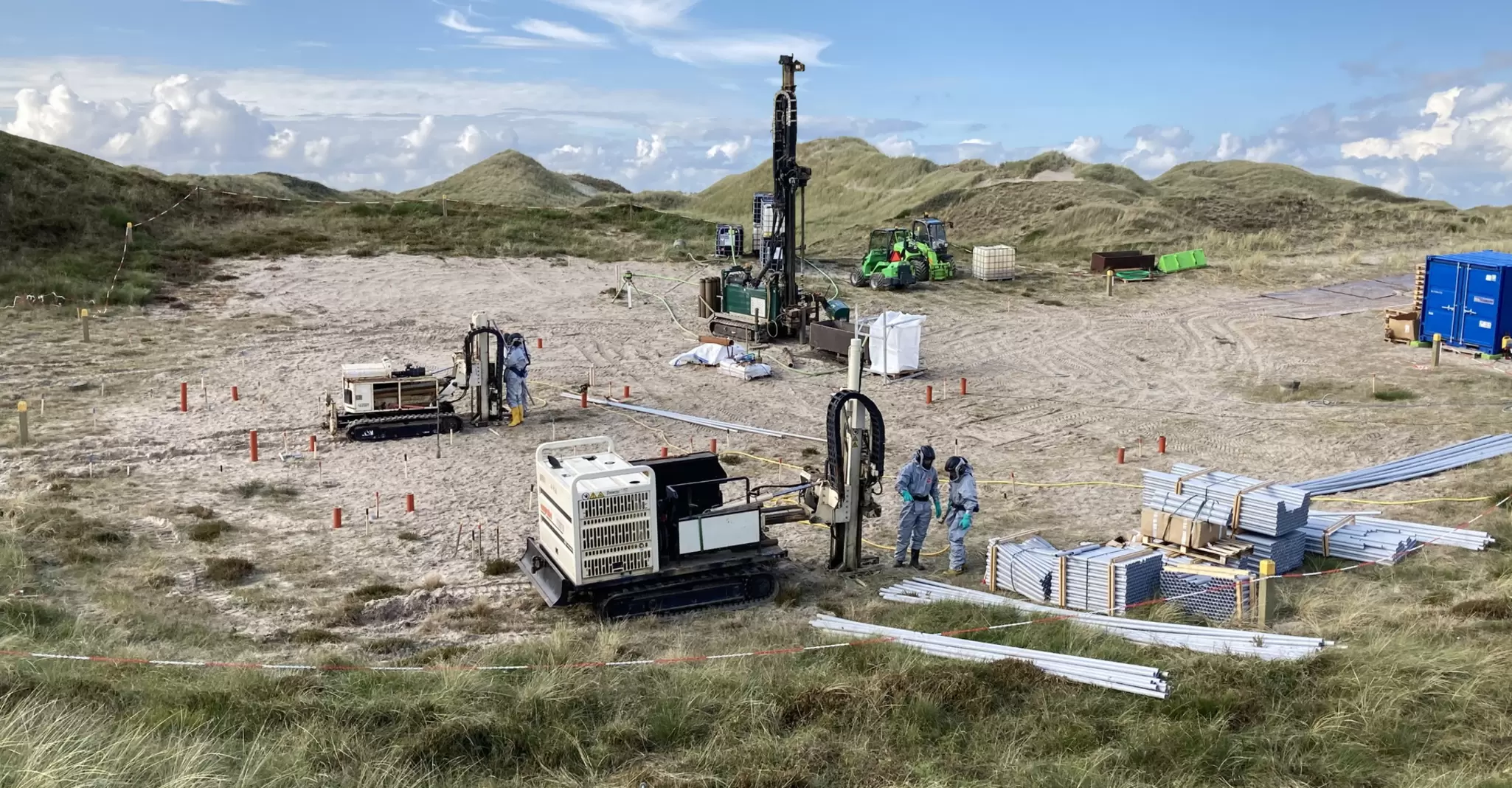
Whether your project is located onshore or offshore, understanding its potential environmental impact is essential. With more than 30 years of experience in the environmental sector, we support your site management throughout the project life cycle, from initial screening and assessment to remediation and construction. Our approach helps identify and mitigate risks early while ensuring regulatory compliance.
We combine state-of-the-art methods with advanced screening tools to deliver high-quality subsurface insight. Using reliable, high-resolution 3D site characterisation, we assess contamination levels and identify the source and extent of contamination. We also provide targeted in situ remediation services to address environmental impacts efficiently. Our comprehensive environmental services include consultancy, ecological surveys, laboratory testing, infrastructure planning support, environmental protection and water resource management.
Together, we can protect vulnerable ecosystems and help create a more sustainable future.

Eugeniu Martac
Global Lead Land Environmental Services
More information about land site assessments, characterisation and remediation
What are the stages of land evaluation and site assessment
An environmental assessment examines and evaluates the potential environmental impacts of existing and proposed projects.
Planners use strategic environmental assessments and sustainability appraisals to compare planning options and determine how effectively a plan supports environmental objectives. These assessments play an important role in promoting sustainable development.
An Environmental Impact Assessment (EIA) is required for individual projects that are likely to have significant environmental effects.
Phase 1: Contaminated Land Assessment
The first phase evaluates the potential for contamination and determines whether further investigation is required. It includes a desk study and a review of previous site surveys, historical records, earlier contaminated land assessments and past land uses to identify potential sources of contamination.
Phase 2: Land Site Characterisation
If Phase 1 identifies a potential contamination risk, Phase 2 is undertaken to investigate the site in greater detail through a targeted physical assessment.
We combine high-resolution sensing technologies with direct sampling methods to identify potential environmental issues. This approach provides the evidence needed to assess whether the site can proceed safely without unacceptable risks to human health or the environment. Laboratory testing and sample analysis help us identify risks that could affect planning requirements, including but not limited to:
Soil gas monitoring
Soil characterisation
Groundwater contamination
Contamination by heavy metals or other hazardous substances
Once the laboratory analysis is complete, Phase 3 can begin. This phase identifies suitable remediation measures and helps ensure that the site meets the relevant standards for planning approval.
Phase 3: Land Remediation
Phase 3 develops a remediation plan to reduce or eliminate identified environmental hazards and prevent further impacts on soil and groundwater. Depending on site conditions, this may include targeted in situ remediation. Chemical reagents or biological substrates can be injected or infiltrated into the ground to treat contamination, reduce environmental risk and support regulatory compliance.
Fugro’s expertise helps you make informed decisions while protecting people and the environment.
What technologies do you have for investigating potential contamination on land sites?
Our experts deal with projects of all sizes and levels of complexity across a wide range of industries and land development and redevelopment sectors. These include energy, chemicals, power, infrastructure, brownfield sites and landfills. We combine state-of-the-art direct-sensing technologies to detect pollutants in soil and groundwater, including:
Membrane interface probe (MIP) and MIP-OMS (on-site mass spectrometer) systems for the real-time, high-resolution detection and analysis of harmful volatile and semi-volatile organic compounds (VOCs and SVOCs) throughout the investigated depth profile. Target compounds include PCE (tetrachloroethene), TCE (trichloroethene) and their biodegradation products, BTEX compounds (benzene, toluene, ethylbenzene and xylenes), MTBE and ETBE.
Laser-induced fluorescence (LIF) technology for identifying oil-based pollutants present as non-aqueous phase liquids (NAPLs).
Hydraulic profiling tools (HPTs), including our innovative Aquisense® probe, to assess how water moves through the ground, improving our understanding of contaminant migration.
Cone penetration testing (CPT), together with electrical or thermal conductivity profiling, for continuous assessment of the ground’s geological and geotechnical properties.
How are samples collected (soil, water and soil vapour)?
To accurately characterise the site’s properties, we collect subsurface samples using direct push technology. Direct push and cone penetration testing (CPT) units advance probing rods into the ground, enabling efficient and targeted sampling.
Our field units are available as road-going trucks, tracked vehicles and other crawler-mounted systems. This range of configurations enables operation on soft or waterlogged ground and at sites with restricted access. Depending on site conditions, the units can investigate depths of approximately 50 metres.
DP technology applications include:
Groundwater sampling
Soil sampling
Soil gas sampling
Installing groundwater monitoring wells
Borehole sealing
Target-oriented, depth-specific injection or infiltration of a reagent or substrate for in situ remediation
What differentiates our methods from traditional approaches to environmental site assessment?
Environmental assessment and remediation projects can fall short when they are based on insufficient site investigation. Early, targeted investigation is therefore essential to reduce uncertainty and provide a sound basis for effective action.
Traditional sampling-based investigations can involve significant uncertainty and cost because contaminant mass is often distributed unevenly across the source area and plume. Fugro’s high-resolution screening methods provide rapid, reliable and cost-effective insight into contaminant distribution. By identifying potential source areas, we help you plan remediation activities more effectively.
Detailed vertical contaminant profiles allow us to delineate the extent of contamination, identify hotspots and map contaminant mass distribution. These insights help you define clear objectives and select the most appropriate remediation strategy. Whether contamination is recent or historic, and whether the contaminants are common or complex, our tools support informed decisions and help you achieve your business objectives.
With support from Fugro’s leading experts, you can keep your project on schedule, reduce risk and maintain robust environmental due diligence.
Case study
A multi-faceted approach to environmental site assessments
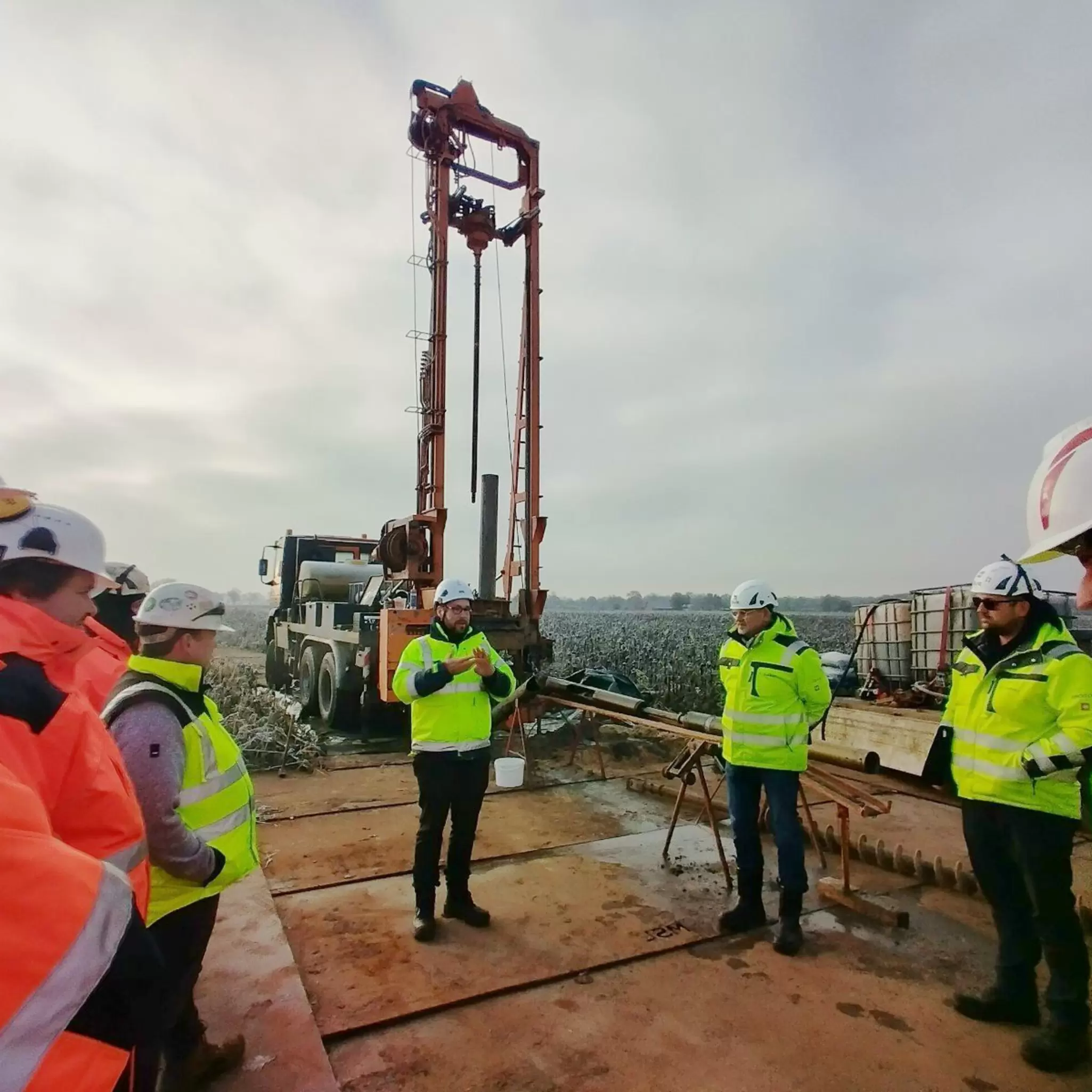
Our experts took on a multi-faceted role on Suedlink, combining six key components to deliver the project successfully. This project involved permitting and planning approval support, site supervision, soil assessment and profiling and laboratory work, with heat emission forming part of the environmental assessment.
Case study
Mapping Erosive Leaks to safeguard the future of Comoé Dam
See how Fugro supported The Water and Rural Infrastructure Implementation Agency (AGETEER) with specialist erosive leak mapping to optimise critical remediation work to keep this vital structure safe.
1 / 2
Benefits
Accurate data and actionable insights
Gain a clear understanding of your site through highly accurate data captured using advanced technologies and proven processes, all tailored to your specific business needs.
Keep your project on track
Keep your project on schedule-or ahead of it-with fast, safe data delivery. Access expert insight when you need it through real-time preliminary data and detailed 3D geological modelling.
Minimise environmental impact
Reduce environmental impact through minimally intrusive site investigation and remediation methods, including remote operations and zero-emission technologies.
Adaptable and comprehensive approach
Our accurate contaminated land assessments provide the information you need to make informed decisions and minimise your environmental impact.
Fugro Environmental Services
Our unique site investigations methods and sensing technologies allow you to focus on areas of heavy contamination first, helping you save time and resources.
Business News
Fugro and Ørsted break new ground with revolutionary CPT technology
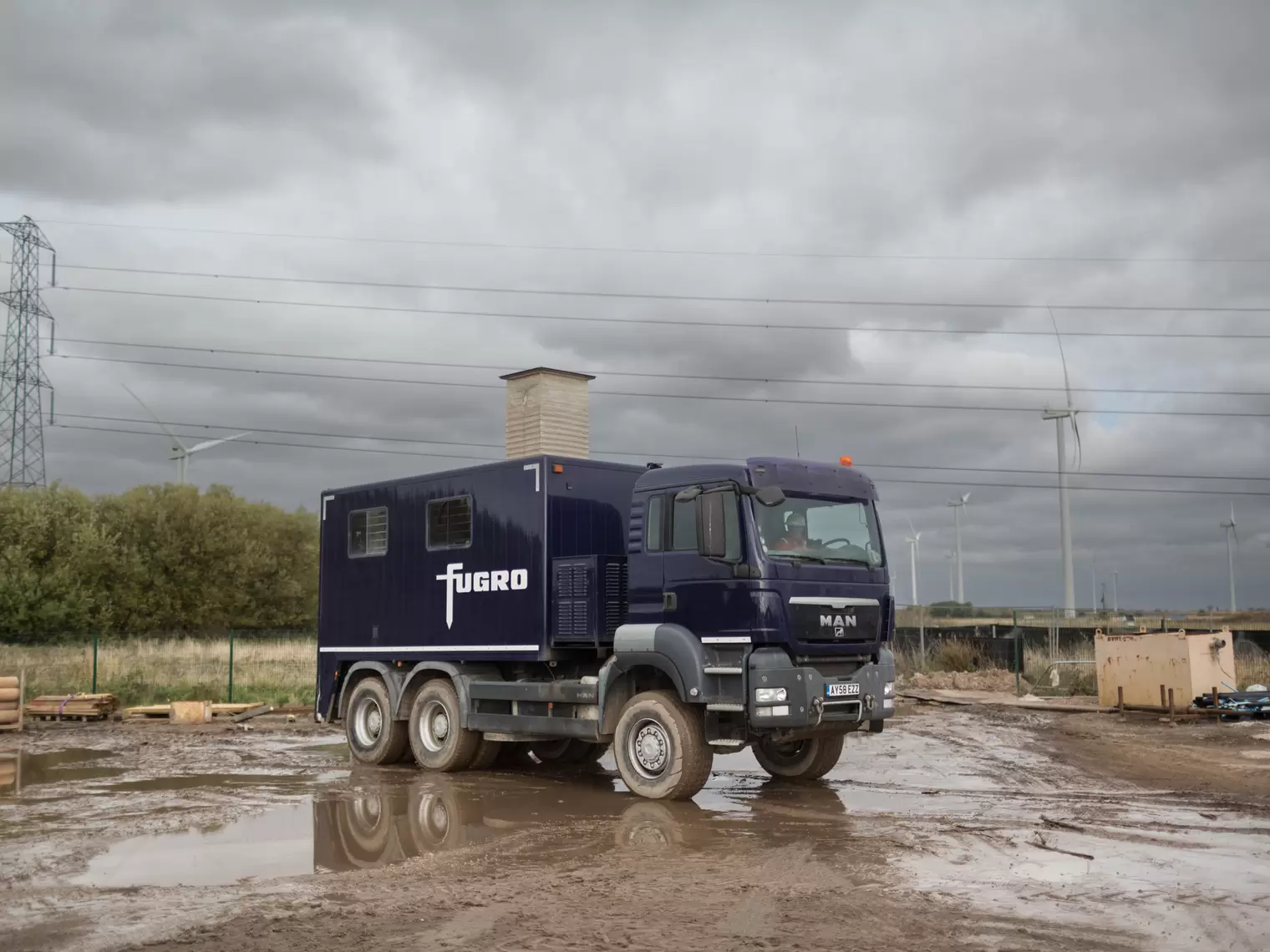
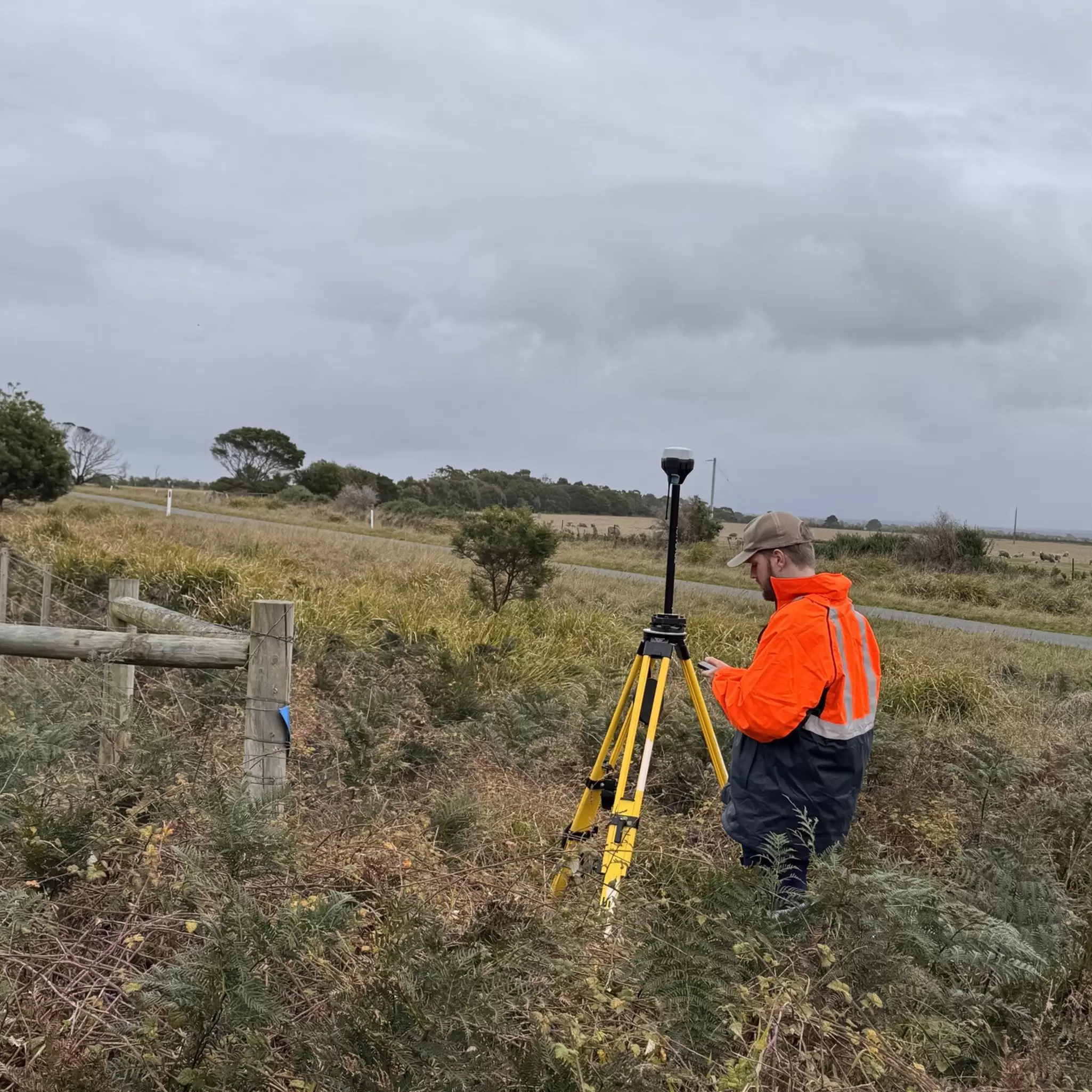
Fugro has completed a landmark site investigation for Ørsted at a future offshore wind farm landing site along Victoria’s eastern coastline. The project featured the first onshore deployment of Fugro’s patented Heat Flow Module (HFM) CPT probe, which measures in-situ thermal properties of the soil alongside traditional CPT data. This innovative approach delivers faster, more accurate insights essential for infrastructure planning.