Case study
Long term partnership to build Sizewell's nuclear future
Suffolk, UK
Client
Sizewell C Ltd
Nuclear power station sites have complex requirements, typically vast sites with numerous components including intake/outfall tunnels, essential utilities and connecting infrastructure. Over the last decade, we have led extensive ground investigation (GI) work at the Sizewell C site, in Suffolk, UK, capturing vital Geo-data on land and into coastal and marine environments. When complete, the Sizewell C nuclear power station could power 6 million homes and avoid 9 million tonnes of CO2 every year of operation. Our long-term relationship with our client Sizewell C Ltd has given us a deep understanding of their needs to support the safe design and construction of this critical energy infrastructure.
Life cycle
Planning, feasibility, conceptual design
Design
Construction
Operations and maintenance
Decommissioning
Show full process
A groundbreaking step in nuclear energy
Sizewell C represents a major leap forward for the UK’s clean energy future. As one of the country’s most significant new nuclear power stations, it will deliver reliable, low-carbon electricity for millions of homes while setting new standards in technical innovation. The project’s scale, complexity, and pioneering approach to ground investigation and partnership make it a landmark in the transition to sustainable energy infrastructure.
Strengthening partnerships for optimal Geo-data solutions
Our long-term partnership with Sizewell C has given us a deep understanding of their needs and challenges on this project. That knowledge has enabled us to advise on the most effective technical solutions and deliver the Geo-data insights needed to help make better informed decisions on the design, construction, and safe operation of the power station. This included geophysical, geotechnical, geo-environmental and monitoring solutions to assess ground risks across the site.
“Fugro’s professionalism and adaptive approach allowed for a genuine collaborative partnership to help complete critical aspects for Sizewell C. Their breadth of knowledge, access to specialist equipment and versatility was integral to delivering this work in challenging conditions”
Andrew Dawes
Marine Project Manager, Sizewell C
Site challenges
Over the years, working onsite at the Sizewell C nuclear power station, our teams have faced challenges including:
Drilling in difficult geological conditions: The bedrock geology includes layers of sand, gravel, clay, and superficial Crag deposits, which can be difficult for drilling operations.
Environmental sensitivities: The site features contaminated land, sites of special scientific interest, intertidal zones and offshore locations. Working in areas with native species and vegetation cover required careful planning to minimise environmental impact.
Regulatory requirements: Strict guidelines from the Environment Agency and Marine Management Organisation needed constant assessment and review of operational standards and site access protocols.
Using geophysics to safely pave the way for intrusive works
Prior to starting the GI works, we undertook geophysical surveys to check for existing obstructions and buried utilities. We mapped buried utilities, identifying their position and depth, using an integrated approach that combines visual inspections (via site visits), as well as topographic, electromagnetic location and ground penetrating radar (GPR) services. These surveys work by sending signals into the ground and analysing the returning signals to determine subsurface conditions. By doing this we significantly reduce the risks onsite when it comes to further GI and excavation works.
Carefully tackling difficult terrain
With the utilities mapped, intrusive GI investigations could start. Due to the soft ground conditions, we used our fleet of low ground bearing, wide-tracked vehicles. These allow us access to sites that are waterlogged or terrain that is inaccessible to wheeled vehicles, such as forested areas. The low ground pressure ensures minimal damage to the ground, foliage and local species and habitats.
For areas with vegetation cover, we used smaller equipment such as tracked window samplers, which are small rigs for sample collection without vegetation clearance. For these works, environmental considerations included reducing the time spent stationary on floodplains to minimise damage, as well as preventing runoff from machinery to avoid contamination.
1 / 2
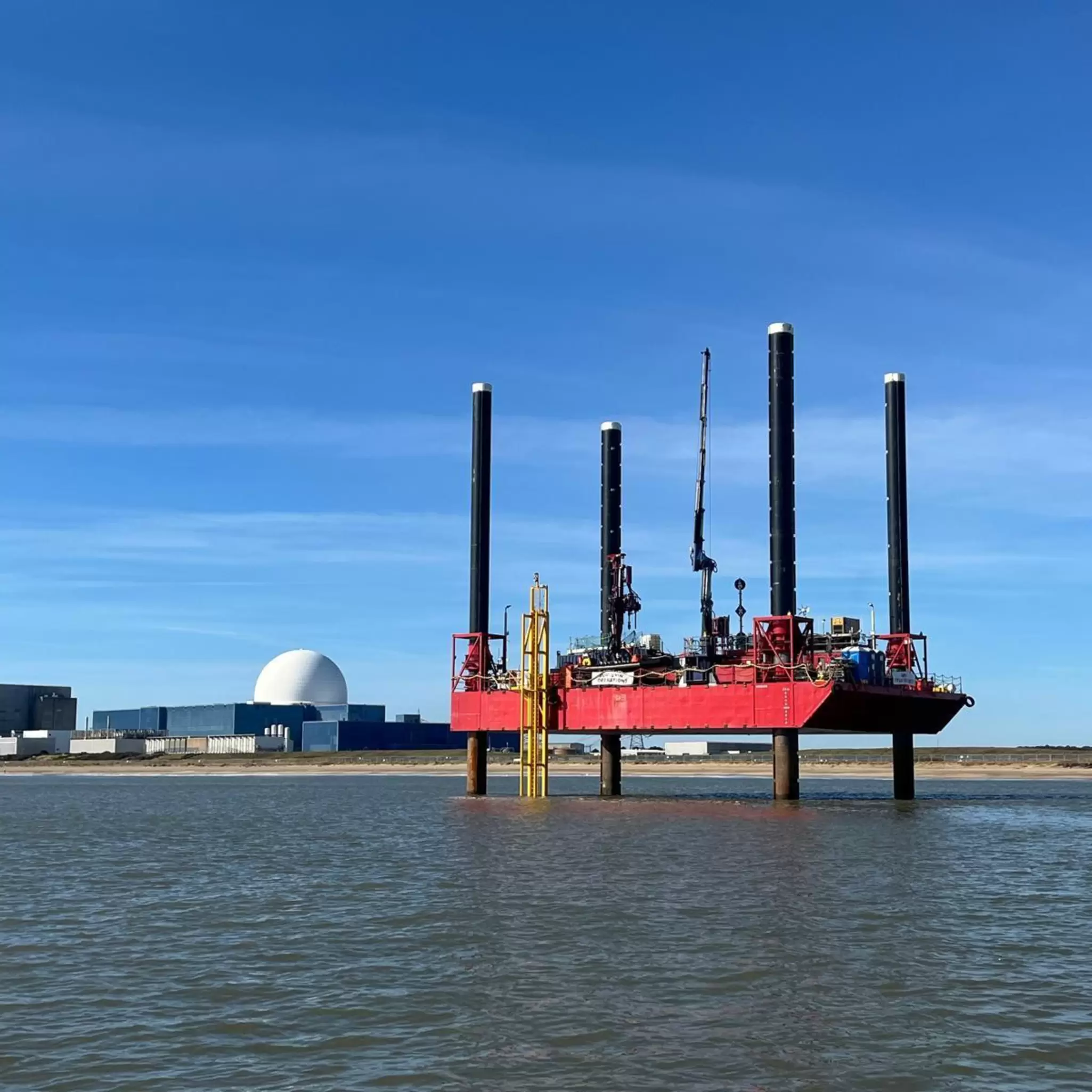
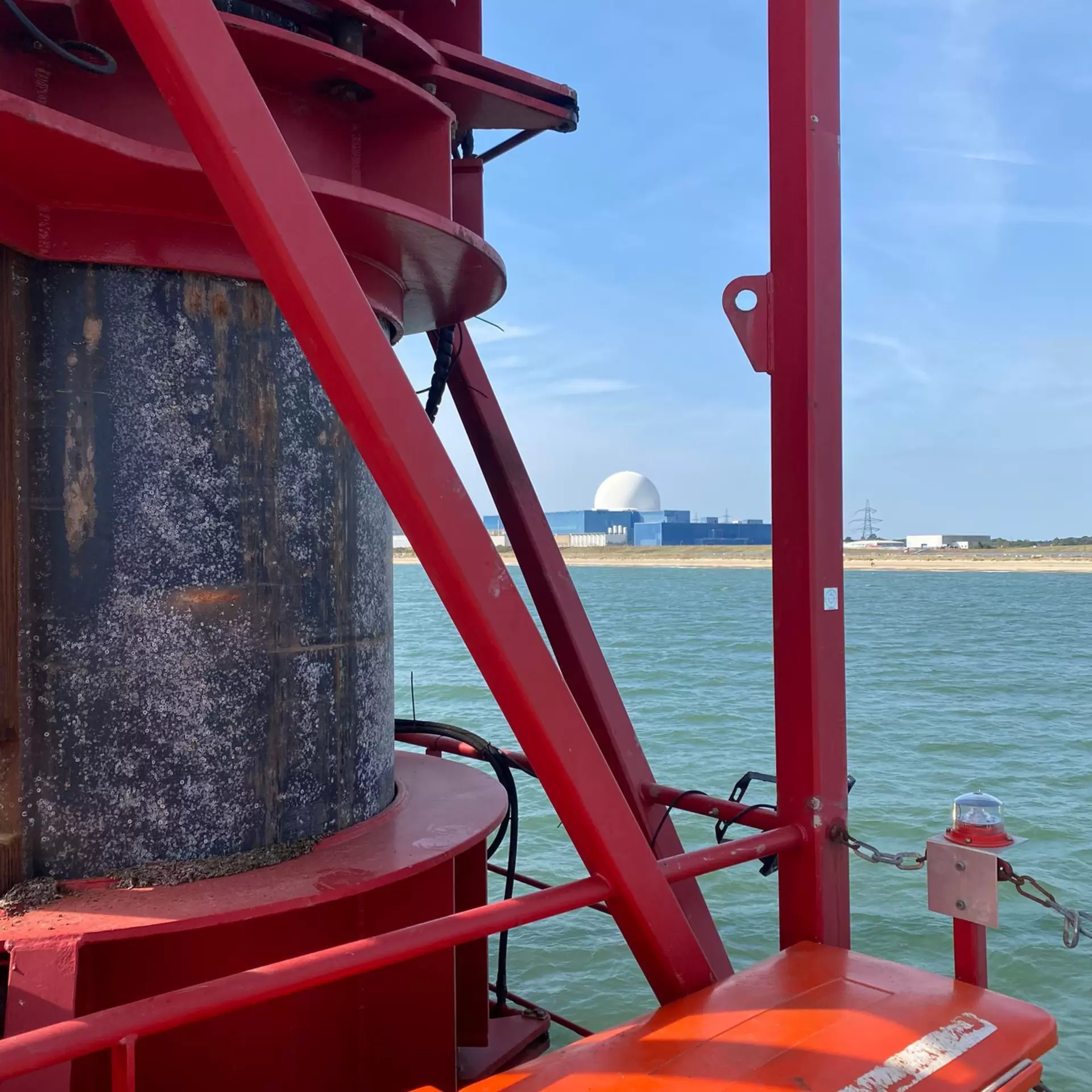
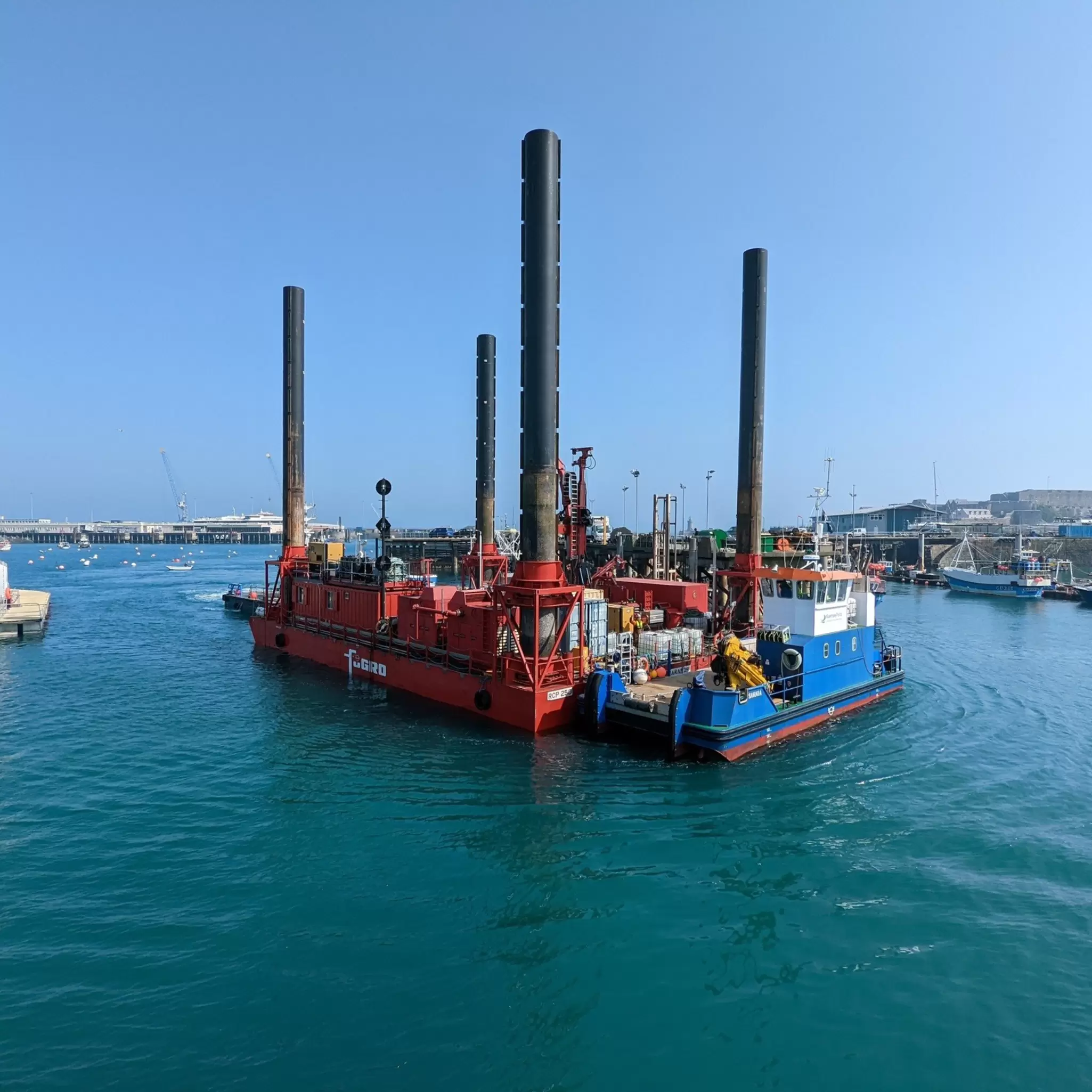
A section of the transition zone on the site with the Aran 250 JUB placed just offshore for shallow water works
Moving from land to sea seamlessly
The key aims of the nearshore GI was to understand the subsurface layer, specifically to identify the thickness and extent of superficial deposits and the stratigraphy to a depth of at least 35m. This data was required to support geotechnical and geo-environmental classifications for dredging, marine licensing, and bulk samples for scour analysis to understand the risk of potential water erosion.
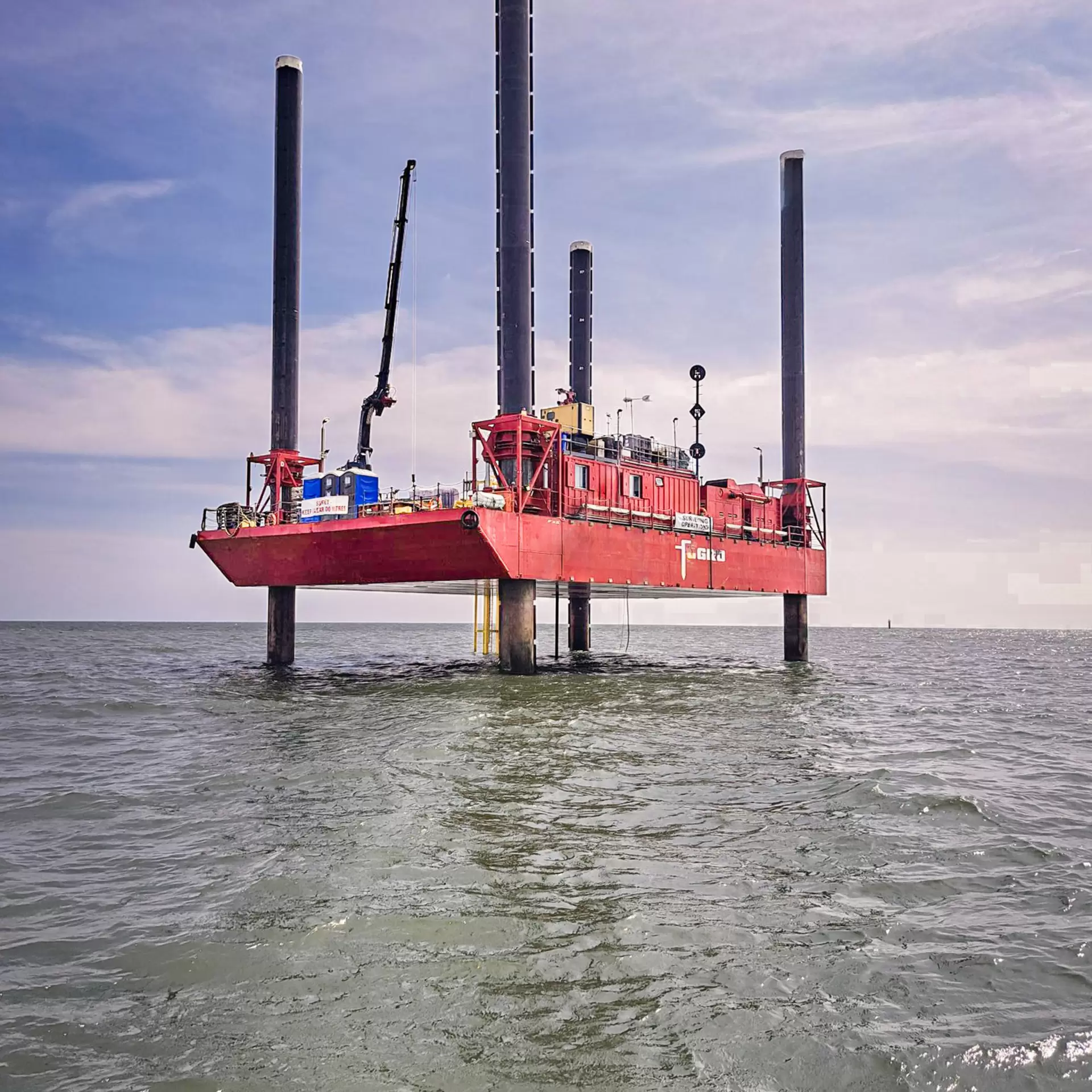
To accommodate the varied conditions across the site, we deployed a combination of modular and monohull jack-up barges (JUBs) tailored to each environment. In shallow and intertidal zones, we used the Aran 250, our modular JUB. Its modular design made it easy to transport and assemble, even in challenging nearshore locations, allowing us to work efficiently in areas with limited access. We operated a sonic rig for drilling boreholes which provided high-quality samples with 100% recovery throughout the project, improving both operational efficiency and the reliability of the data. The sonic drilling method was particularly well-suited to the complex nearshore geological conditions as it minimises disturbance to unconsolidated and variable sediments.
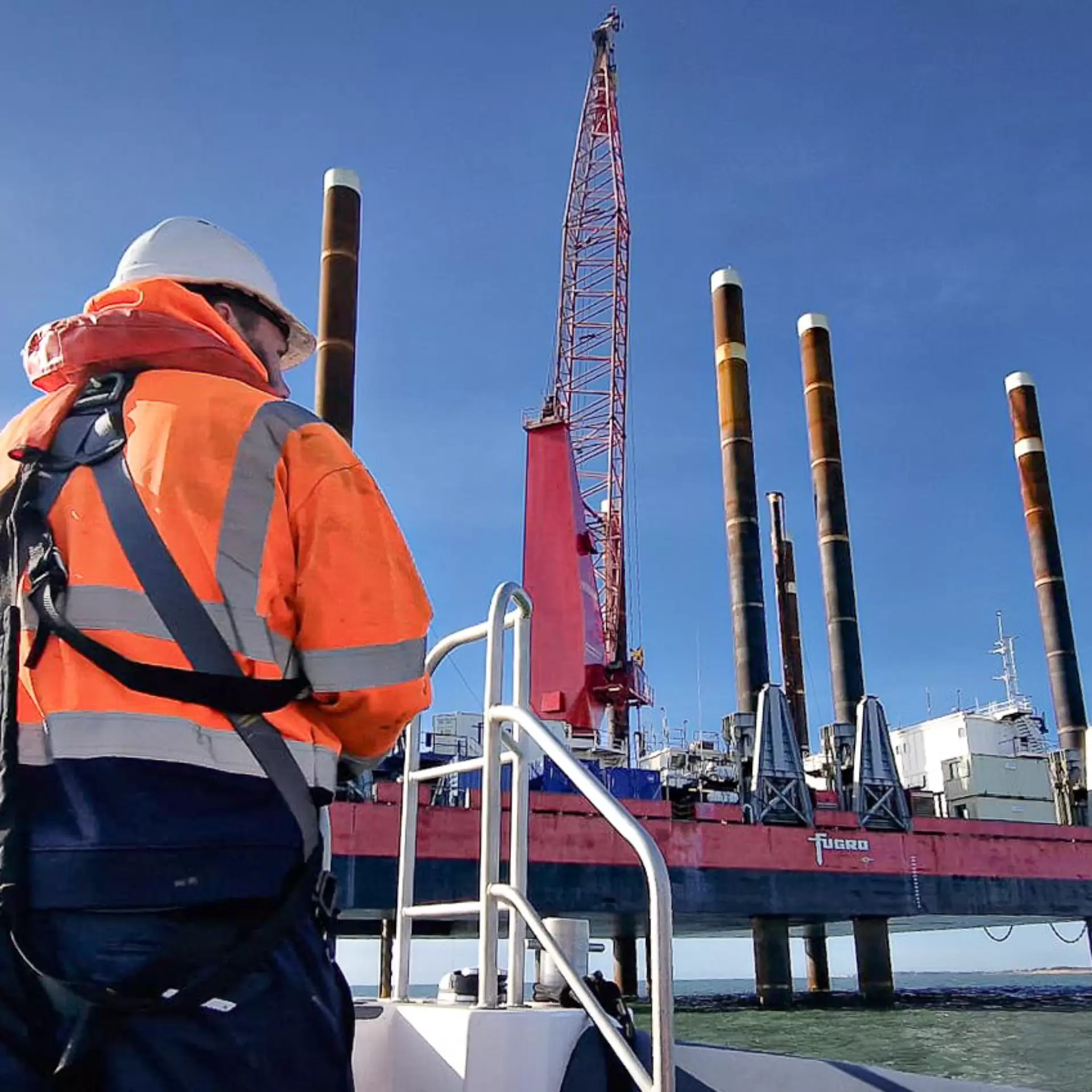
In deeper waters, where GI works were required for the inflow and outflow tunnels of the nuclear power station, we used the Fugro Excalibur. Our monohull, live-aboard JUB provided better operability in the more challenging site conditions, with higher tidal ranges and greater depths to drill
The dual moonpools on both Aran 250 and Excalibur gave us the flexibility to adapt to the specific needs of the Sizewell C site. Depending on the location, we could operate two drilling rigs simultaneously from the moonpools or combine drilling with cone penetration testing (CPT) and in situ testing.
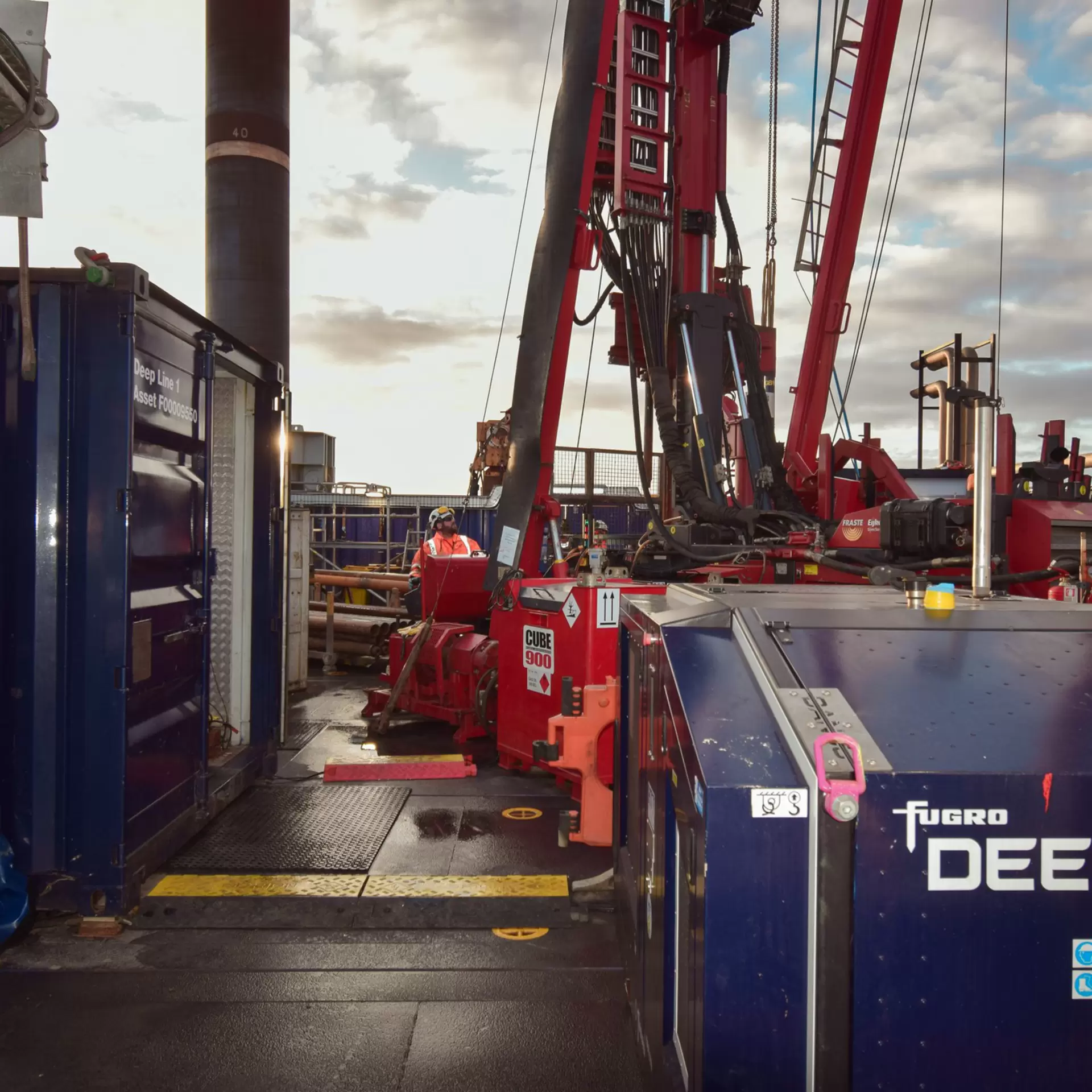
For the CPT testing we used Deep Line®, our advanced downhole system, to collect continuous data. This setup ensured comprehensive coverage and the highest quality data, while removing the need for additional standard penetration test boreholes, reducing the overall scope of the project. This enabled schedule and cost reductions for this phase of the works.
1 / 3
Crew member embarking on Excalibur JUB from tug vessel
Enhancing our understanding with in situ testing
Along with our drilling and CPT techniques, we used in situ testing to enhance our understanding of the subsurface conditions. Understanding these characteristics reduces uncertainty for foundation design and construction, and informs safer, more reliable project design.
We used our self-boring pressuremeter and permeameter, measuring the stiffness and strength, load-deformation and hydrogeological behaviour of the soil. We also provided wireline logging and borehole geophysics at various stages of this project which revealed continuous insights on petrophysical, geotechnical and hydrogeological ground parameters.
Comprehensive site assessments
We have used our unique combination of technical capabilities, innovations, and expertise to extensively map out the site. This includes:
38 separate GI scopes of work over 10+ years
Over 140 boreholes including cable percussion, rotary open hole, sonic cored, and dynamic sample
Over 175 CPTs including for unexploded ordnance (UXO) clearance
Over 300 trial pits and trenches both machine and hand dug
GPR scanning
In situ testing including wireline geophysics, infiltration testing, plate load, thermal resistivity
Surface geophysics including electrical resistivity tomography and seismic testing
Geotechnical and contaminated land laboratory testing
Innovative equipment
Sonic rig system
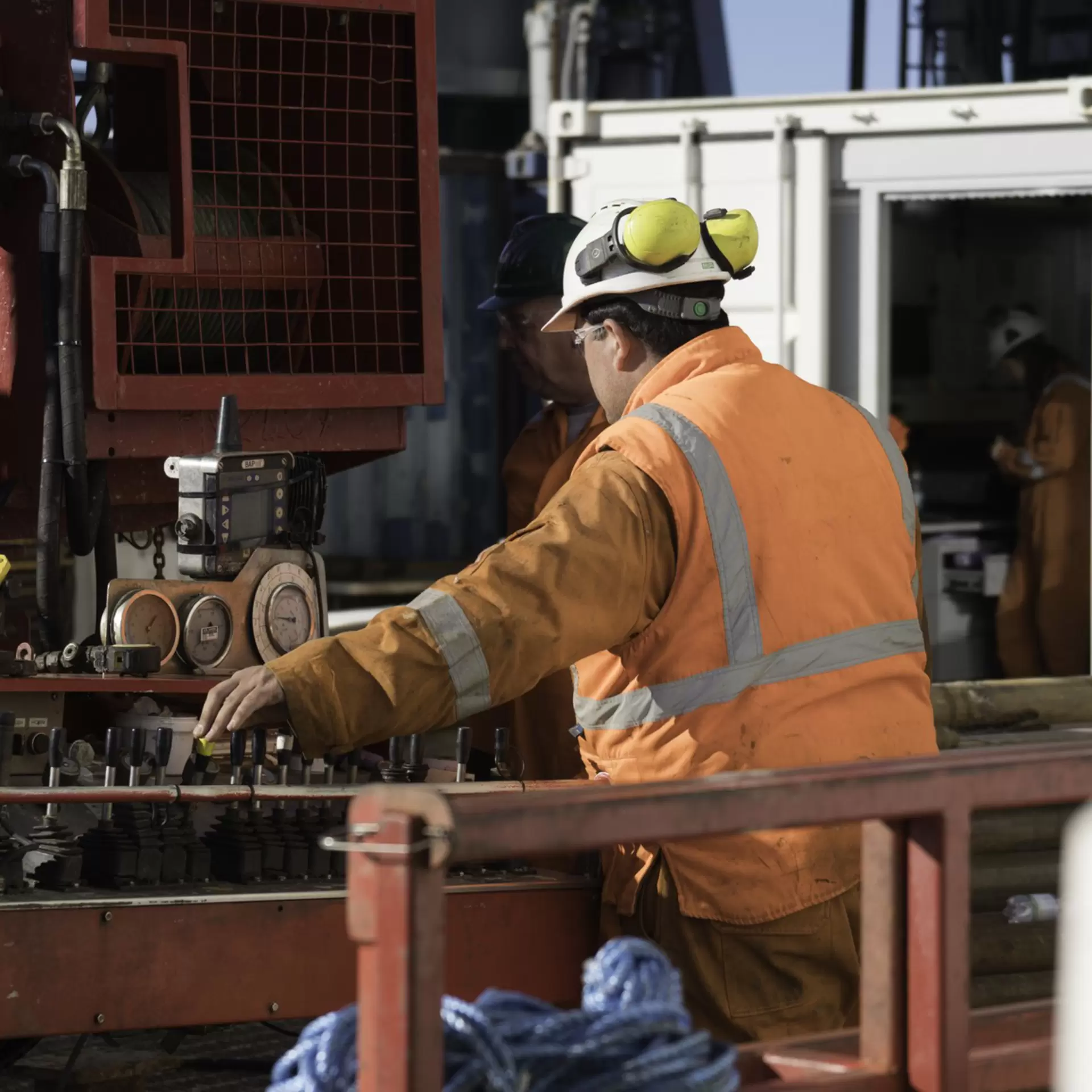
The use of a sonic drill rig allowed us to obtain high quality samples in the difficult geology of the Sizewell C site. This method minimises manual handling and eliminates pinch points, reducing the risk of injury and damage to equipment. The casing manipulator allowed safe and efficient placement of casing during drilling operations, while the hydraulic hammer produced more accurate and reliable soil samples.
1 / 2
Sonic drill in use onboard Excalibur JUB
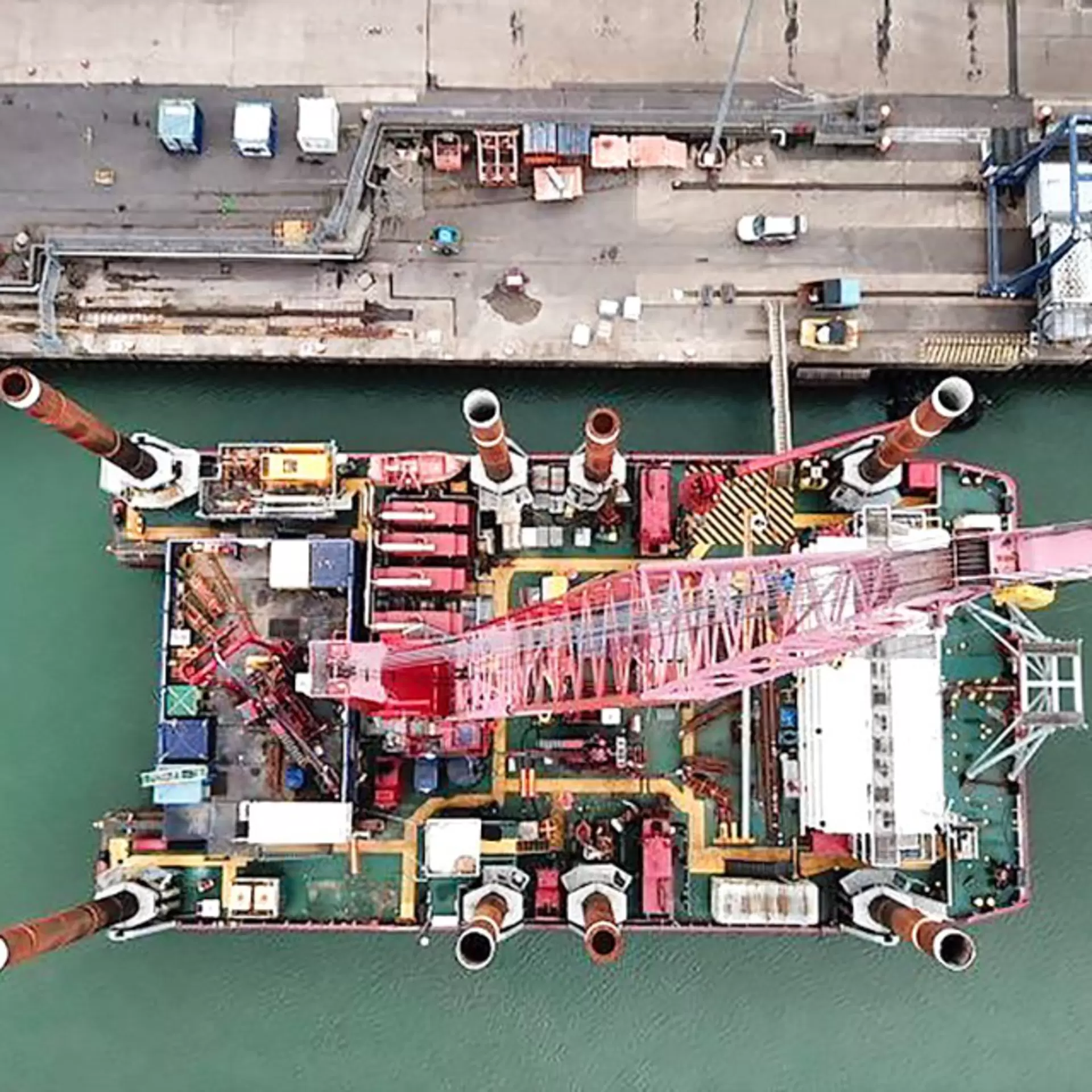
Flexi-deck on Fugro Excalibur
The Excalibur JUB features a smart flexi-deck which is designed to slide up to seven metres. This feature means multiple geotechnical samples can be collected without moving the JUB, saving time and resources.
The flexi-deck layout also improves safety and makes data collection more efficient. A lower-level cellar deck neatly organises hydraulic, electrical, drilling, water, and gas systems, keeping cables and hoses out of the way to reduce trip hazards. Side walls minimise noise and protect the environment, while built-in lashing points allow equipment to be safely secured without blocking walkways. The geotechnical lab is placed next to the drill, which cuts down on the movement of core materials and speeds up the whole process.
Impact for the future
Our long-standing relationship with Sizewell C on their nuclear power station project shows the value of good collaboration when navigating a complex GI. The teamwork and communication built between our teams over the years has enabled consistent and high-quality data collection. This allows us to develop more effective, efficient and sustainable GI techniques and equipment combinations for each stage of the project. Moving forward, we can apply this collaborative approach to future stages of work at Sizewell C and other projects which require bespoke and long-term input for successful development.
Key metrics
million tonnes of carbon avoided annually
different contracts of work completed
million homes potentially powered by nuclear energy
Nearshore site investigations
Find out more about our nearshore services, operating up to 40 metres water depth in coastal transition zones and shallow water environments.