Case Study
Finding the right routes to connect an offshore wind farm to the grid
German Baltic Sea
Client
Joint Venture HSI
Project duration
August 2024 – October 2024
We worked with Joint Venture HSI (JV HSI) to ensure the viability and safety of their planned substations, which will serve as key delivery points for power to the coast. Our ground investigation, using geophysical and geotechnical methods, was designed to identify any obstacles or geo-hazards that could impact the integrity and functionality of the substation sites.
Planning, feasibility, conceptual design
Design
Construction
Operations and maintenance
Decommissioning
Show full process
Subsurface hazard mitigation for coastal power transmission
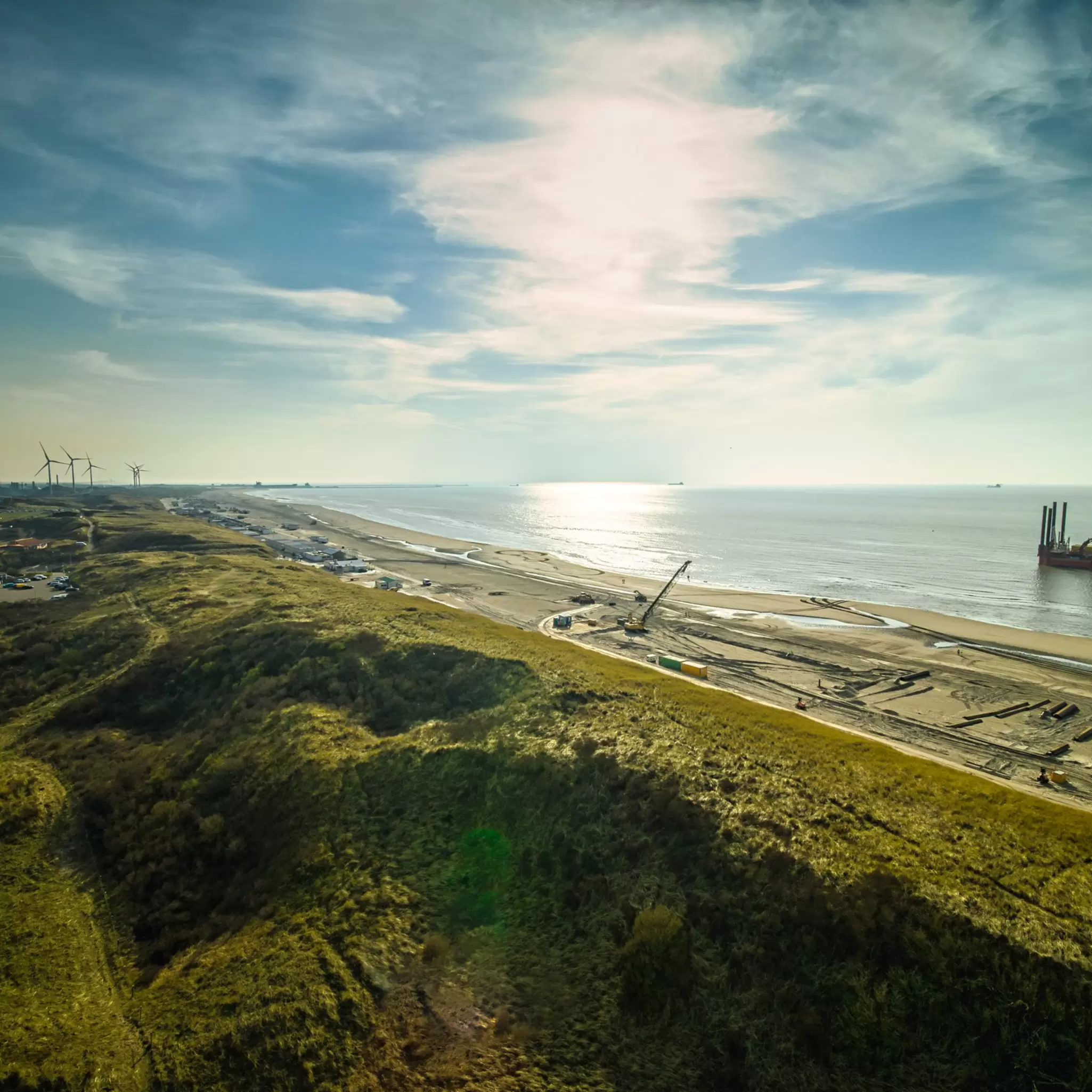
The development of offshore wind as a successful renewable energy source means not only building wind farms but, also being able to connect to the grid. This often poses a challenge as coastal landfall environments can present tricky geology and a range of potential subsurface hazards.
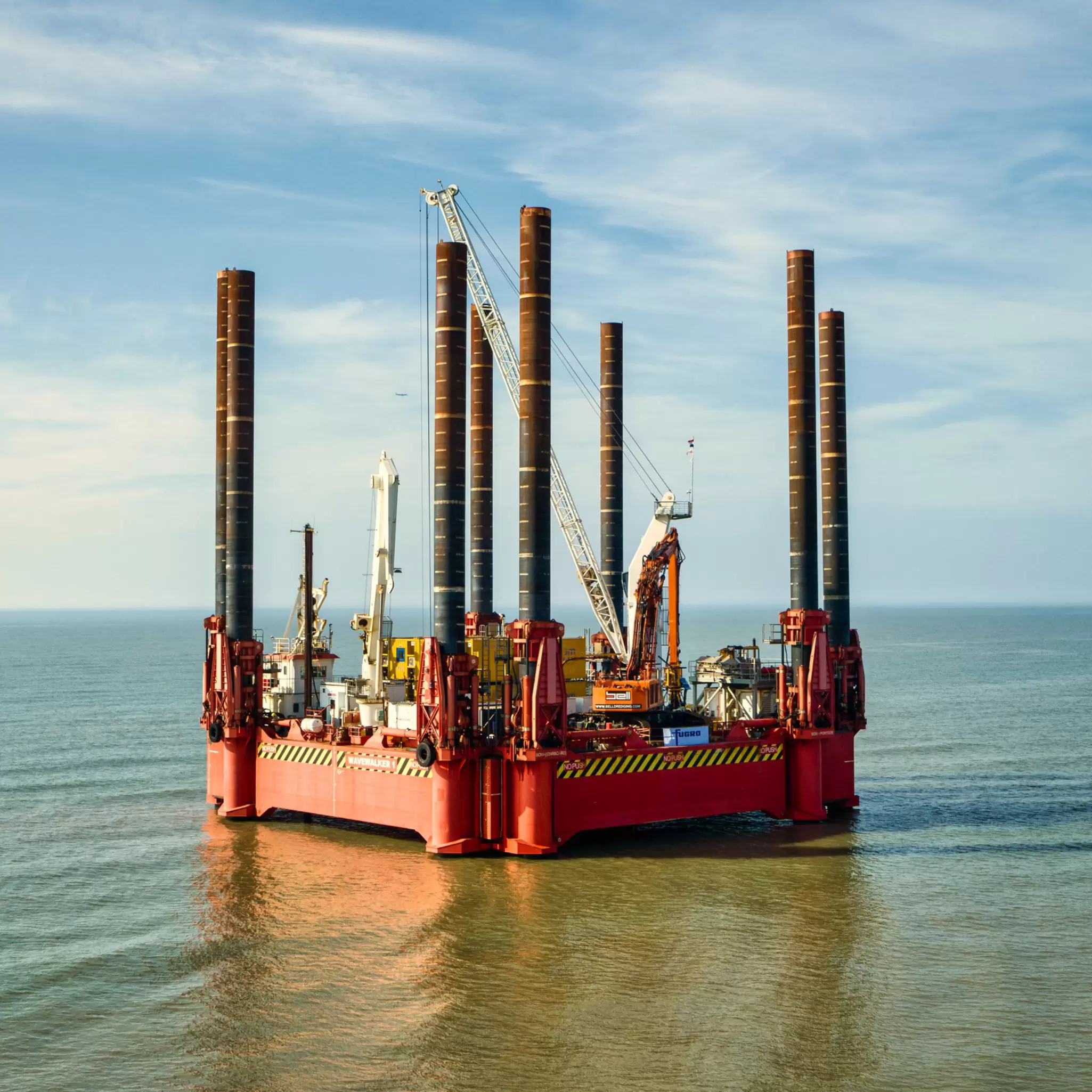
We supported our client, JV HSI's, plans to install two offshore substations. Our ground investigation included using our agile WaveWalker jack-up barge, innovative downhole magnetic resonance (DMR) geophysics, and Fugro's Starfix® ultra-precise satellite navigation system. Combined with our expertise in offshore wind, we were able to deliver exceptional insights to help develop the project design safely.
Our innovations
WaveWalker: Our four-legged liveaboard jack-up barge is a unique ‘walking’ jack-up allowing precise manoeuvring around the site. With its technology-enhanced efficiency, it avoided disturbance to foundation locations with no need to be towed to each drilling location. This capability reduced disruption to sample capture, minimised environmental impact and maximised efficiency.
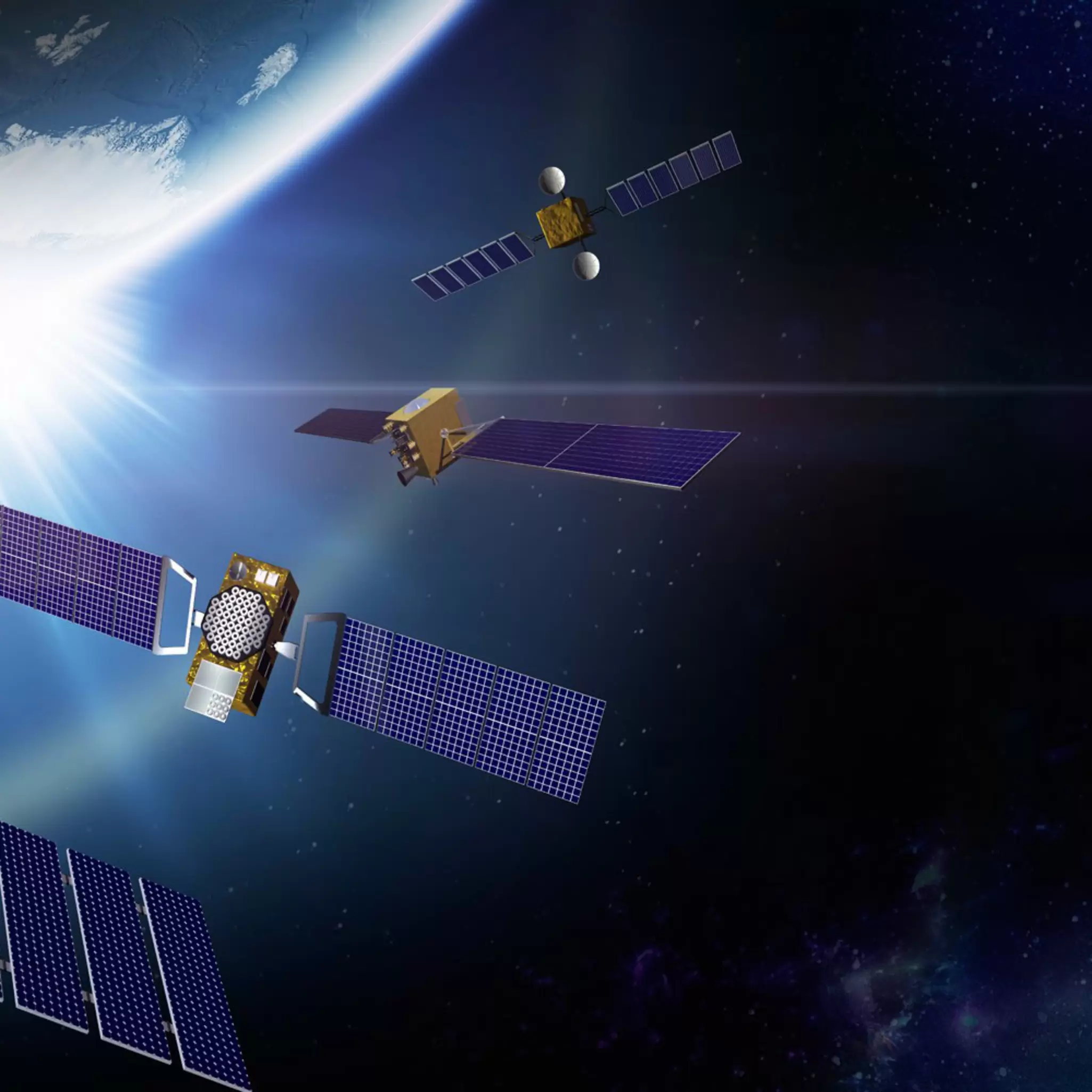
Starfix®: Our satellite navigation system, Starfix®, played a pivotal role in the project, by recording over 500 leg positions ensuring that the integrity of the proposed foundation locations was maintained and that seafloor obstructions were safely navigated. Starfix® maintains the highest level of precision within centimetre-level accuracy, safely supporting our geotechnical activity.
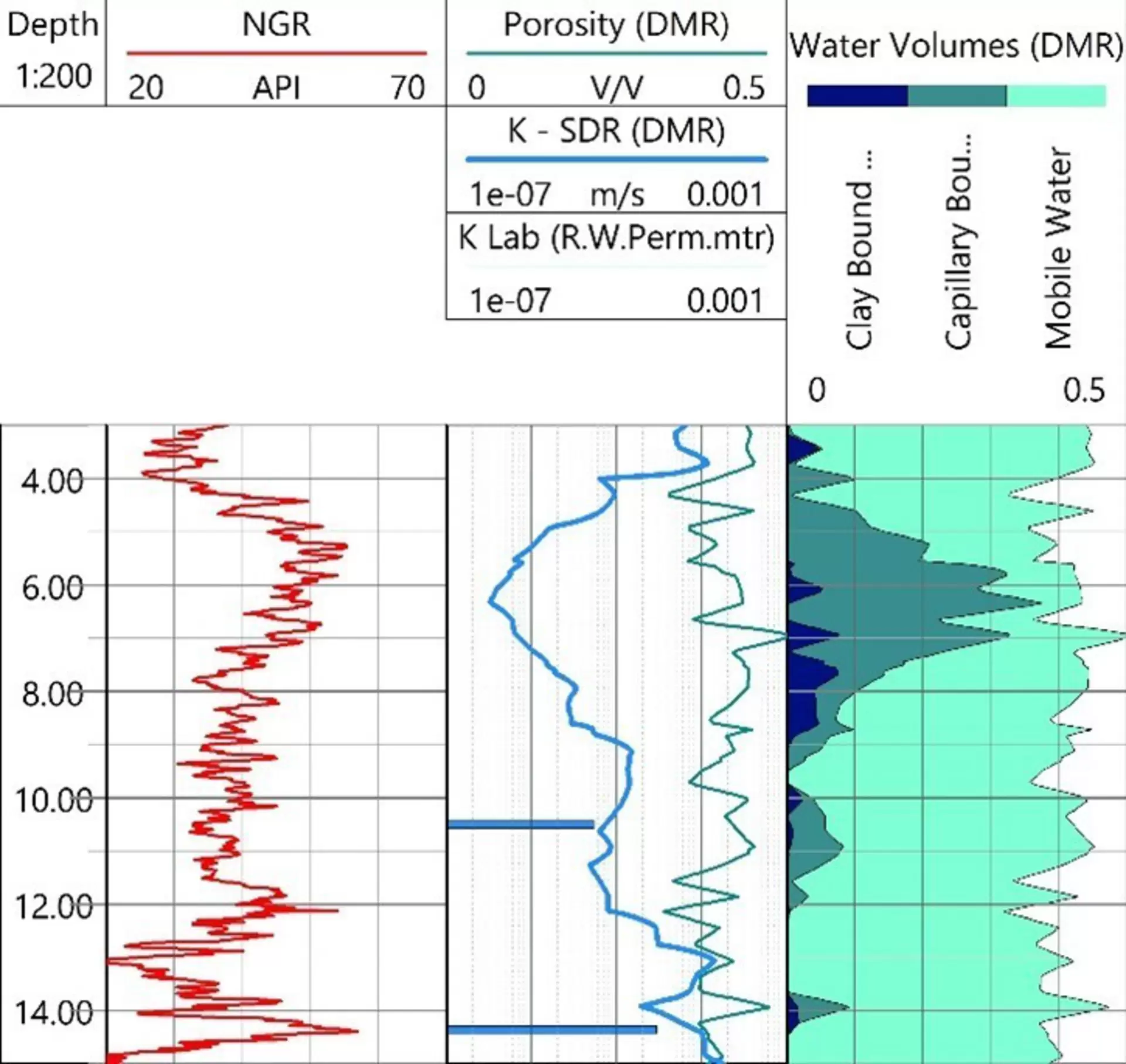
DMR solution: We used our advanced wireline geophysical DMR logging technology to conduct cost-effective in situ site investigations, providing reliable data on hydraulic conductivity, porosity, and formation density. After traditional in situ permeability tests proved unsuitable due to sandy ground conditions, DMR offered a non-intrusive alternative, maximising the use of the four boreholes and ensuring safety through plastic liners. This innovative approach, adapted from oil and gas industry, highlights Fugro’s commitment to cutting-edge geotechnical solutions.
Starfix®
Find out more
Scope of work
CPTs: conducted 16 tests up to 30 metres deep, including dissipation testing
Boreholes: drilled 8 boreholes up to 30 metres deep
DMR geophysical logging boreholes: completed 4 boreholes to a depth of 15 metres.
Foundation investigation and site navigation
With the aim of achieving robust substations, we undertook the critical task of investigating four foundation locations in waters less than 20 metres deep. Ensuring these locations remained unaffected by jack-up leg penetration was essential to the project's success, so we employed our WaveWalker jack-up, renowned for its unique manoeuvrability.
WaveWalker seamlessly combines floating moves, spinning on legs, and walking to precise locations, navigating to borehole and CPT sites with exceptional efficiency. This solution ensured that planned foundation locations remained intact, showcasing our commitment to precision and excellence in site investigations.
Logging graph
Cost-effective in situ analysis with DMR
We employed our innovative wireline DMR logging technology for comprehensive site investigations, offering a cost-effective and non-intrusive method to estimate in situ hydraulic conductivity, porosity, and formation density. Initially, various in situ permeability tests were considered, including cone penetration dissipation tests.
However, due to sandy ground conditions and insufficient excess pore pressure, this method proved unsuitable. The DMR logging approach enabled the full utilisation of four boreholes, maximising data collection while reducing costs and maintaining high standards of safety and reliability.
To ensure safe data acquisition in unconsolidated formations, plastic liners were installed. The magnetic nature of DMR allows high-quality logging even in plastic-cased boreholes, which is particularly advantageous in geologies prone to collapse. This project promotes our commitment to apply advanced technologies for near-surface site characterisation.
Safe and successful delivery
Using innovative solutions like the WaveWalker jack-up platform and Starfix® technology, we ensured precise foundation positioning and safe navigation around seafloor obstructions. We were also able to reduce manual handling, which enhanced health and safety by minimising the risk of human error and physical strain. As a result, there were zero HSSE incidents on the site.
Our collaboration with JV HSI demonstrated our ability to tackle complex geological conditions and deliver safe offshore power infrastructure. The successful integration of the Gennaker offshore wind farm into Germany's transmission network will support vital steps in renewable energy expansion and contributes to Germany's economic performance and secure power supply.
Key metrics
weeks to capture and deliver a full data report
metres deep drilling conducted
MW of potential capacity
Contact us
Find out more

Rod Eddies
Global lead - Geotechnical ground investigations
Our expertise
Coastal infrastructure
Supporting the development of coastal infrastructure is key for the progression of renewable energy projects in the UK.