Case study
Seeing inside a tailings dam: How GroundIQ® helped rule out hidden structural risks
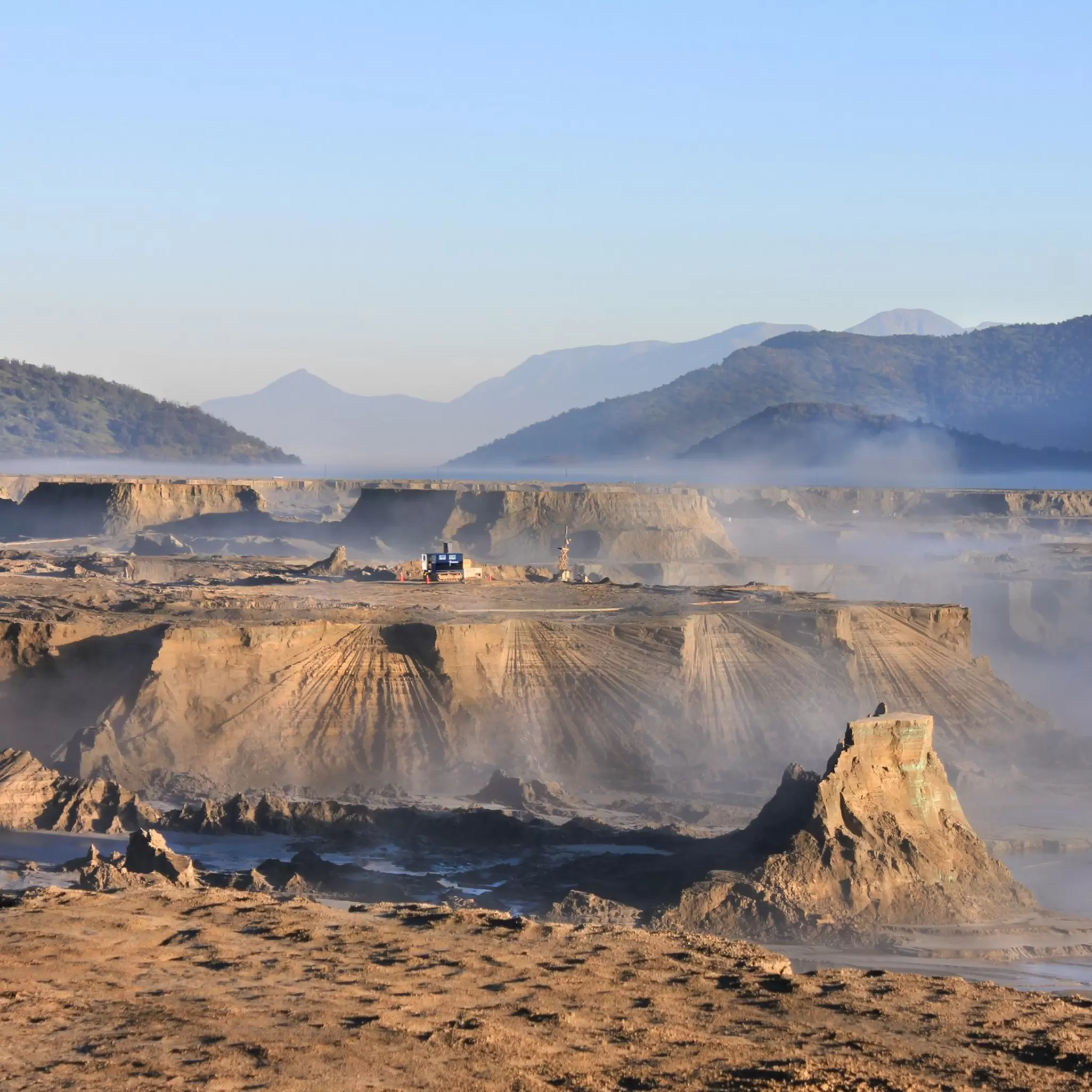
Central Chile
Client
Codelco
Project duration
April 2024 to May 2024
As part of Fugro’s GroundIQ® solution, we applied our adapted 3D Ambient Noise Tomography (ANT) technology to rapidly assess the internal condition of Codelco’s Colihues Tailings Deposit in Chile and support safer, more informed risk management.
Life cycle
Planning, feasibility, conceptual design
Design
Construction
Operations and maintenance
Decommissioning
Show full process
Project Overview
Tailings dam safety is a major global concern. With more than 3,500 facilities worldwide and a history of high-impact failures, understanding the condition of these structures over time is essential.
Codelco’s Colihues and Cauquenes tailings storage facility (TSF) is part of the El Teniente mine in central Chile, around 90 kilometres south of Santiago.
Within this complex, Dam A, a downstream-constructed facility, was the focus area for this study. Mining operations were active during the investigation period.
Challenges
Since tailings dams are complex structures, getting an accurate picture of what’s happening inside them can be quite challenging. At Dam A, several factors made it especially difficult to characterise internal conditions using conventional investigative methods.
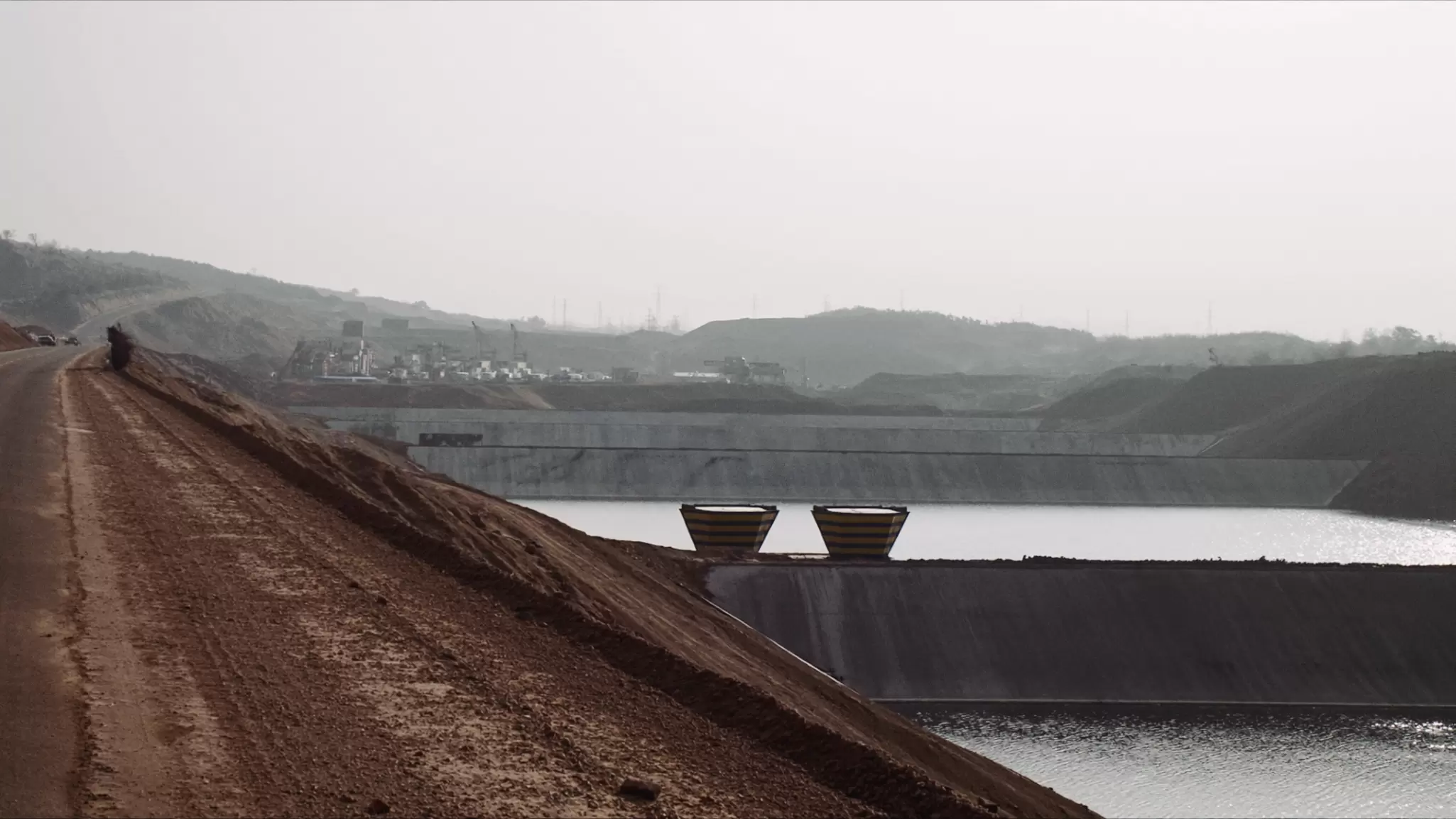
Example of a tailings facility
Incomplete Data Coverage
Traditional investigative methods like boreholes or CPTs only provide information at isolated points. For large structures such as Dam A, this leaves significant gaps in understanding, making it difficult to detect potentially weak zones that could indicate internal damage or structural weaknesses.
2. Complex Ground Conditions
Dam A sits on a mix of volcanic, glacial, and fluvial deposits, creating a highly variable subsurface. This complexity makes it harder for standard investigation techniques to produce a reliable, continuous picture of internal dam structures or underlying materials.
3. Large & Irregular Site
At roughly 1,200 metres wide and 80 metres high, Dam A is an expansive structure built from different materials on its upstream and downstream faces. Its steep slopes and irregular geometry made conventional investigation both economically and practically challenging while simultaneously posing significant health and safety risks for personnel.
Solution
GroundIQ® proposed a geophysical screening solution to create a complete 3D view of Dam A’s internal structure. Using ANT, seismic vibrations from natural and operational sources would be transformed into a 3D volume of shear wave velocity, a key indicator of material stiffness.
This would allow Codelco to visualize the stratigraphy of the dam, assess its foundation, and identify low-velocity zones that are indicative of significant risks, such as internal erosion, seepage, or loss of strength. The resulting 3D model would then form a foundation for safer, more informed tailings dam management, and could be validated and refined using existing borehole data.
GroundIQ's Approach
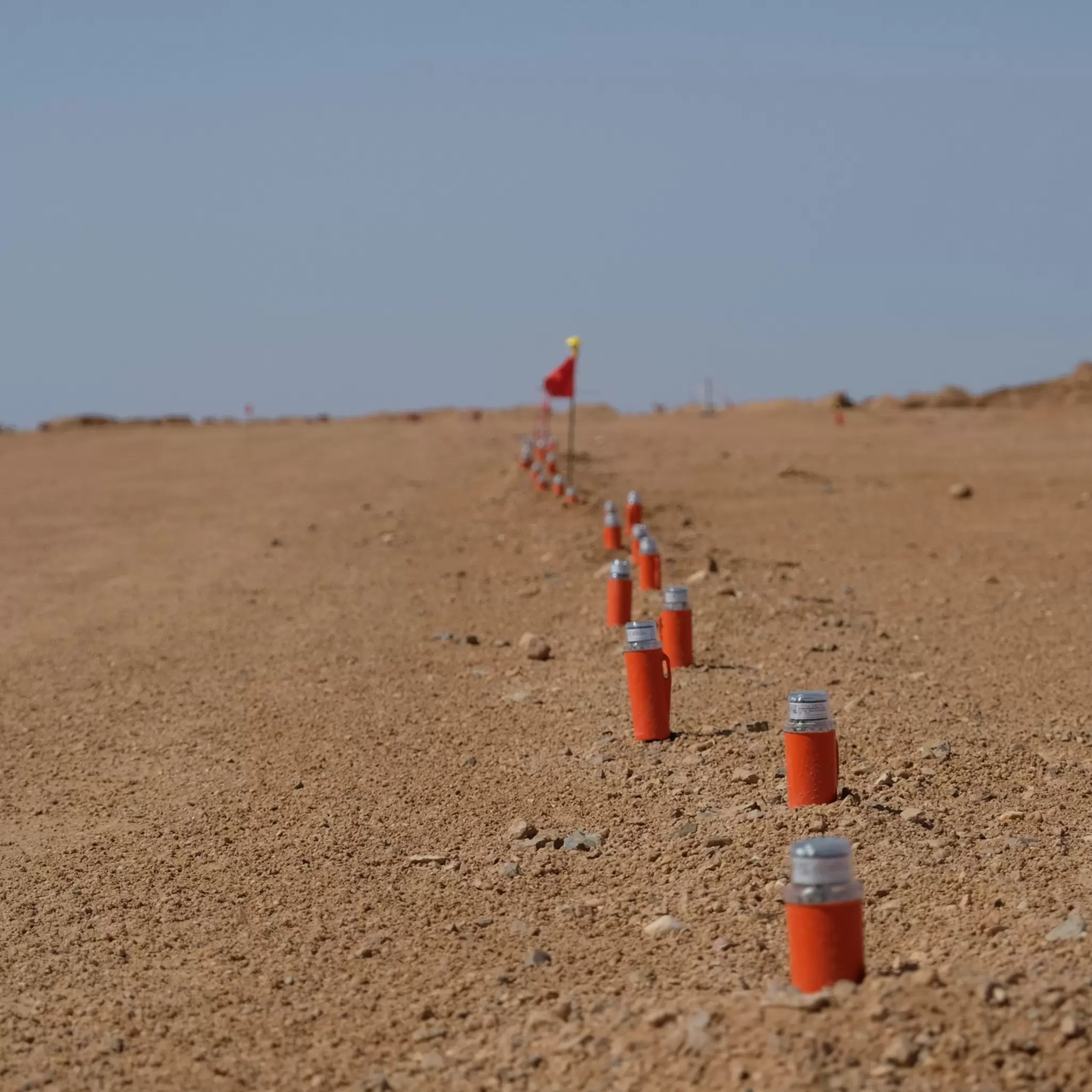
To implement the proposed approach, GroundIQ® combined passive and active seismic techniques across Dam A, capturing vibrations from natural and operational sources over several days.
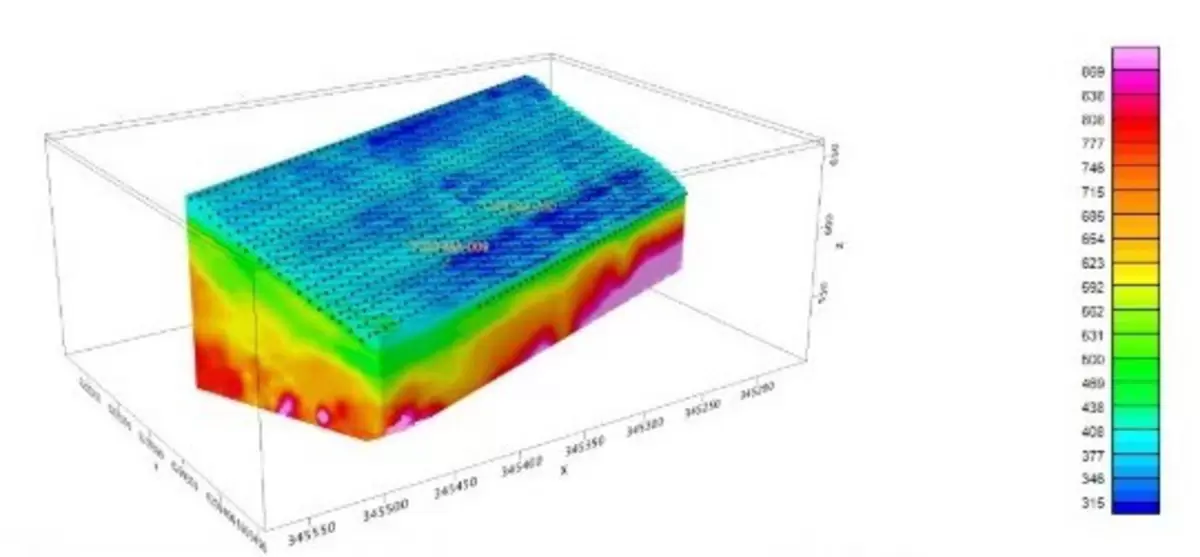
These measurements were used to create a detailed 3D picture of the dam’s internal structure.
The approach was designed to be safe, non-invasive, and provide full coverage. Even on steep slopes and variable terrain, seismic data can be easily acquired in areas where conventional intrusive testing is difficult or not feasible. reducing health and safety risks while covering the entire dam.
The collected data was processed to generate a 3D model of shear wave velocity, which reveals internal layering, highlights any potentially weak zones, and supports engineering and safety decisions.
Existing borehole data were used to validate the model and increase confidence in the results.
Results
GroundIQ® delivered a 3D ground model of Dam A within four weeks, providing Codelco with a detailed view of the dam’s internal structure to depths exceeding 100 metres.
The ground model revealed two primary layers within the dam: fluvial deposits and moraine overlying volcano-sedimentary rock soils. Importantly, no weak zones, typically evidenced by shear wave velocities below 300 m/s, were revealed, confirming favourable conditions for the dam’s stability. This insight was critical, as undetected weaknesses in tailings facilities can result in significant operational disruption and, in extreme cases, catastrophic failure.
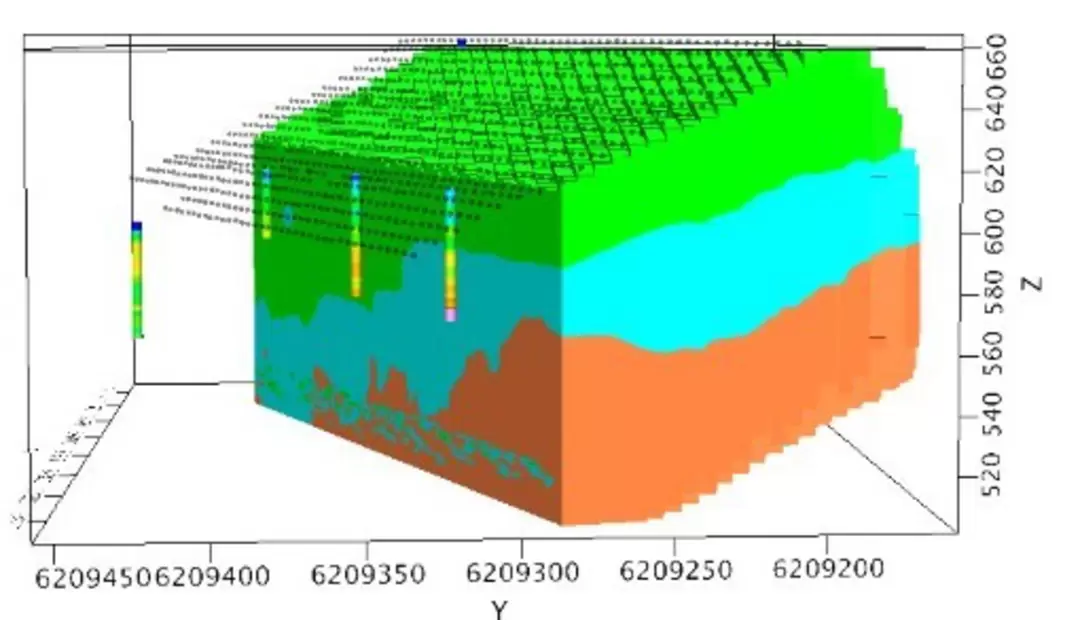
Ground model of the tailings dam
ANT results aligned closely with borehole logs, downhole seismic data, and 2D MASW profiles, validating both the accuracy and the superior spatial coverage of the 3D approach.
This clarity provided Codelco with a high level of confidence in the current stability of Dam A and a reliable basis for proactive risk management.
Key Takeaways
This project shows how GroundIQ® helps operators move from uncertainty to confidence. By rapidly producing a validated 3D view of Dam A’s internal conditions and confirming that no critical weaknesses were present, Codelco gained clear evidence to support safe operations and informed planning. The study highlights the value of early, data-rich geophysical screening in improving decision-making for complex tailings facilities.
GroundIQ® - A groundbreaking approach to ground risk
It’s time to take the guesswork out of ground risk. Our pioneering new approach delivers earlier, faster and better engineering insights—helping to reduce project delays, budget overruns and unwanted surprises. With GroundIQ® you can build with confidence, from the ground up.